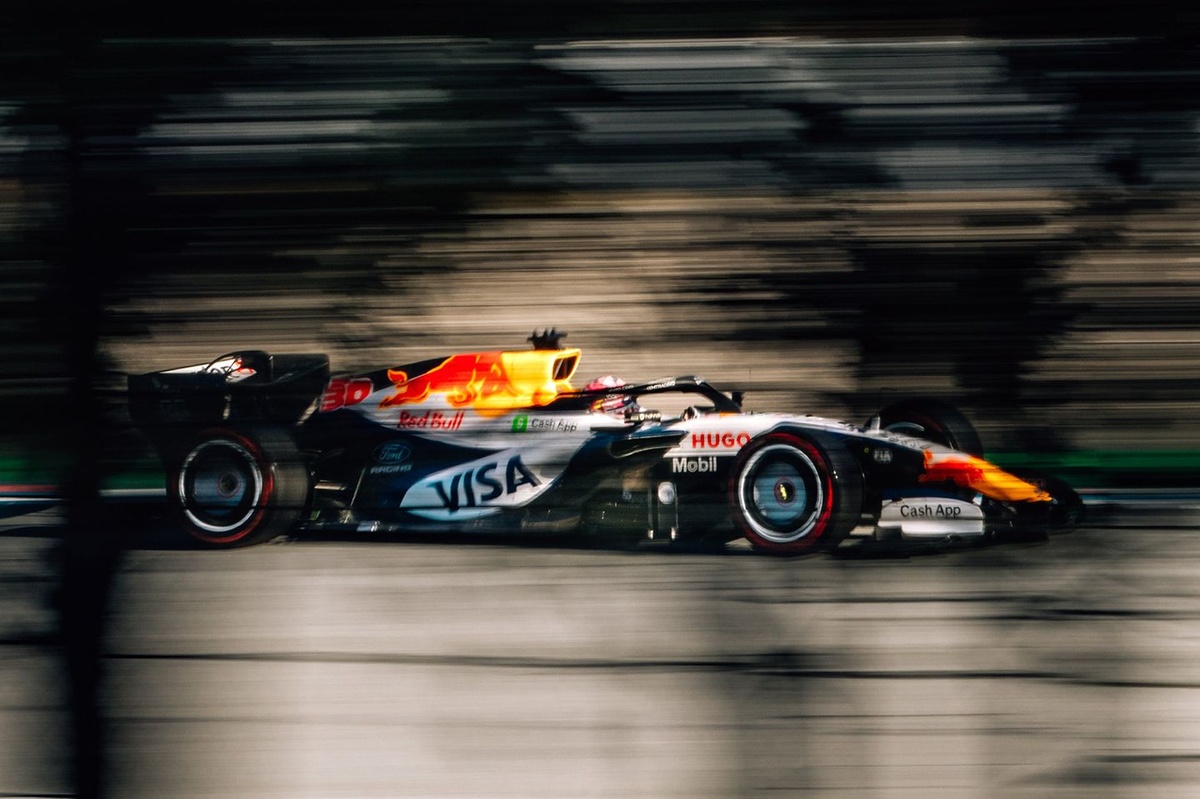

Martin Brundle has unleashed a stark warning: Formula 1 is on a path that could redefine the very essence of racing with its 2026 regulations. The veteran pundit and former driver believes the upcoming era, heavily reliant on complex energy management, threatens to steer the sport away from the visceral, "raw" spectacle fans crave.
Key Takeaways from Brundle's Analysis
- Martin Brundle argues that F1's 2026 cars will force drivers into constant energy management strategies.
- He fears this shift could reduce the "raw," aggressive wheel-to-wheel racing action.
- Despite concerns, Brundle acknowledges that elite talents like Ayrton Senna and Michael Schumacher would thrive with such advanced tools.
- The Sky Sports F1 analyst advocates for clearer, real-time battery data to enhance fan understanding.
The Great Energy Shift: More Brainpower, Less Brawn?
Speaking from Barcelona during recent testing, Brundle dissected the initial glimpses of the 2026 regulation cars. His core concern centers on the powertrain evolution, which he believes will prioritize sophisticated energy deployment and recovery over outright attacking driving. This isn't just a minor tweak; it's a fundamental shift in how races might be won and lost.
The focus, according to Brundle, will move from purely pushing the limits of grip to meticulously balancing electrical energy. "The toothpaste is long out of the tube on that one," he quipped, drawing parallels to previous technological integrations like KERS. This isn't a retreat; it's the sport's relentless march forward, mirroring advancements in road car technology.
Adapting to the New Frontier: A Champion's Challenge
While some might lament the loss of perceived "rawness," Brundle was quick to point out the adaptability of true legends. He contended that icons like Ayrton Senna and Michael Schumacher would have relished the intricate tools and data available in modern F1. Their genius, he implied, lay in mastering any available technology to gain an edge, whether rudimentary or highly advanced.
A top driver, in Brundle's view, will always find the limits, regardless of the machinery. The challenge now is to not just drive fast, but to orchestrate a complex symphony of power deployment, battery regeneration, and aerodynamic efficiency, all while battling rivals.
Bringing Fans Closer: The Need for Data Transparency
To mitigate the potential disconnect for viewers, Brundle emphasized the crucial role of clear communication. He urged Formula 1 teams and broadcasters to provide "accurate real-time data on the batteries." This would allow fans to comprehend the strategic nuances behind overtakes and understand when a driver's clever energy management pays off. Without this insight, the intricate chess match on track might remain opaque to the uninitiated.
The End of Raw Racing?
Ultimately, Brundle concedes that the era of "raw, elbows out, Senna versus Mansell type stuff" is largely behind us. He acknowledges that the sport has evolved beyond that point and there's no going back. The task now is to "make the best of what we've got," ensuring that while technology advances, the thrill of competition remains paramount for the global fanbase. The 2026 F1 regulations promise a technologically advanced spectacle, but the debate on its impact on racing purity is just beginning.