
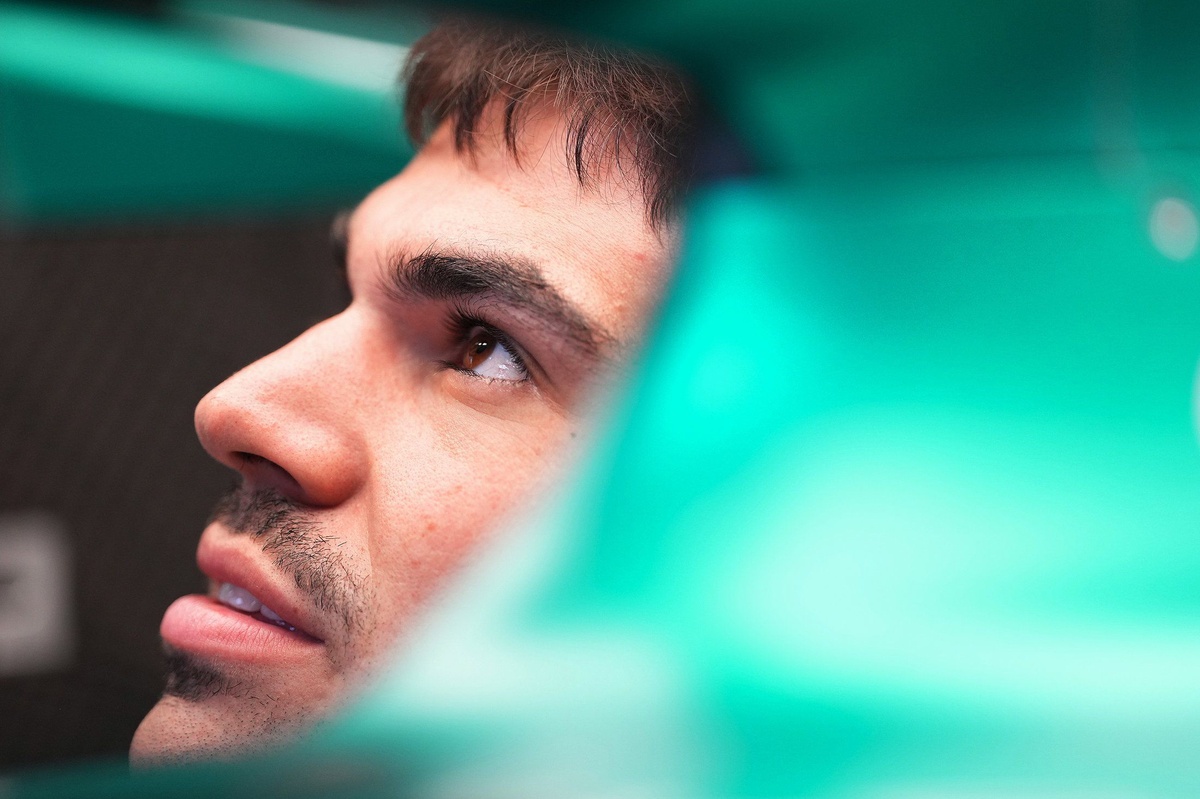

Lance Stroll has dropped a bombshell, revealing the brutal truth behind Aston Martin's struggles: a staggering two-second power deficit per lap from their Honda F1 engine. This isn't just a minor setback; it's a monumental hurdle that’s crushing the team's competitive aspirations and pushing them to the back of the grid.
Key Points:
- Lance Stroll attributes Aston Martin's performance woes directly to a two-second power deficit from the Honda F1 engine.
- The AMR26 car, despite upgrades, remains stuck in the midfield, especially on high-speed circuits.
- Honda has introduced a turbocharger upgrade but still grapples with electrical energy harvesting and deployment.
- Questions persist whether the AMR26 chassis itself contributes to aerodynamic drag, exacerbating the power shortfall.
The Staggering Truth: Two Seconds Down!
In a candid statement, Lance Stroll didn't mince words about the core issue plaguing Aston Martin. He revealed that the Honda power unit is costing the team a devastating "second to two seconds" per lap, depending on the circuit. This blunt assessment offers a stark reality check on their championship ambitions.
For circuits demanding raw power and straight-line speed, like Baku or Monza, this deficit becomes insurmountable. Even with the best chassis development, a two-second disadvantage from the engine side leaves drivers with little to no chance against their rivals. It’s clear the team’s recent Budapest performance, a track with numerous corners and few long straights, highlighted this power-dependency.
Unpacking Honda's Power Puzzle
The underperformance of the Honda F1 engine has been an open secret, but Stroll's specific quantification paints a grim picture. Expectations were high, especially with Adrian Newey's involvement, but the AMR26 has consistently underwhelmed.
The Upgrade Gambit and Lingering Issues
Honda has been proactive, leveraging the Additional Development and Upgrade Opportunities (ADUO) window. They've already introduced a revised turbocharger, aiming to mitigate issues like turbo lag and improve drivability. This marks a shift from their initial plan to focus solely on the 2027 regulations, underscoring the urgency of the current situation.
However, the challenges extend beyond just the turbo. The fundamental problem of efficiently harvesting and deploying electrical energy persists. This critical aspect directly influences a car's peak straight-line speed and how long it can sustain electrical boost before power reduction, severely limiting Aston Martin's competitiveness.
Is the AMR26 Chassis Part of the Problem?
While the spotlight is firmly on Honda, there's always the lingering question of the chassis. When McLaren ended its partnership with Honda in 2017, they quickly discovered their own car was also aerodynamically draggy, contributing to their struggles. Without direct comparisons with other teams using the same Honda power unit, it's difficult to fully isolate the engine's impact versus the AMR26's aerodynamic efficiency.
Stroll himself noted, "The tracks with long straights are worse for us." This implies that even if the Honda engine were to improve, a draggy chassis could still hinder their progress, creating a complex puzzle for the Aston Martin engineering team to solve.
The Road Ahead for Aston Martin
Despite these significant hurdles, Aston Martin has shown commitment to its driver lineup, with both Fernando Alonso and Lance Stroll confirmed for 2027. This stability suggests a long-term vision, but immediate results are crucial. The team has a clear "plan" for car development, aiming to add downforce and improve performance.
The 2026 technical regulations loom large, and the performance of the new Honda power unit for that era remains a "big question mark." While the team feels confident about their chassis direction, the engine's capability will ultimately dictate their fate. Aston Martin's path to the front of the grid is steep, demanding a monumental effort from both chassis designers and their Honda engine partners.