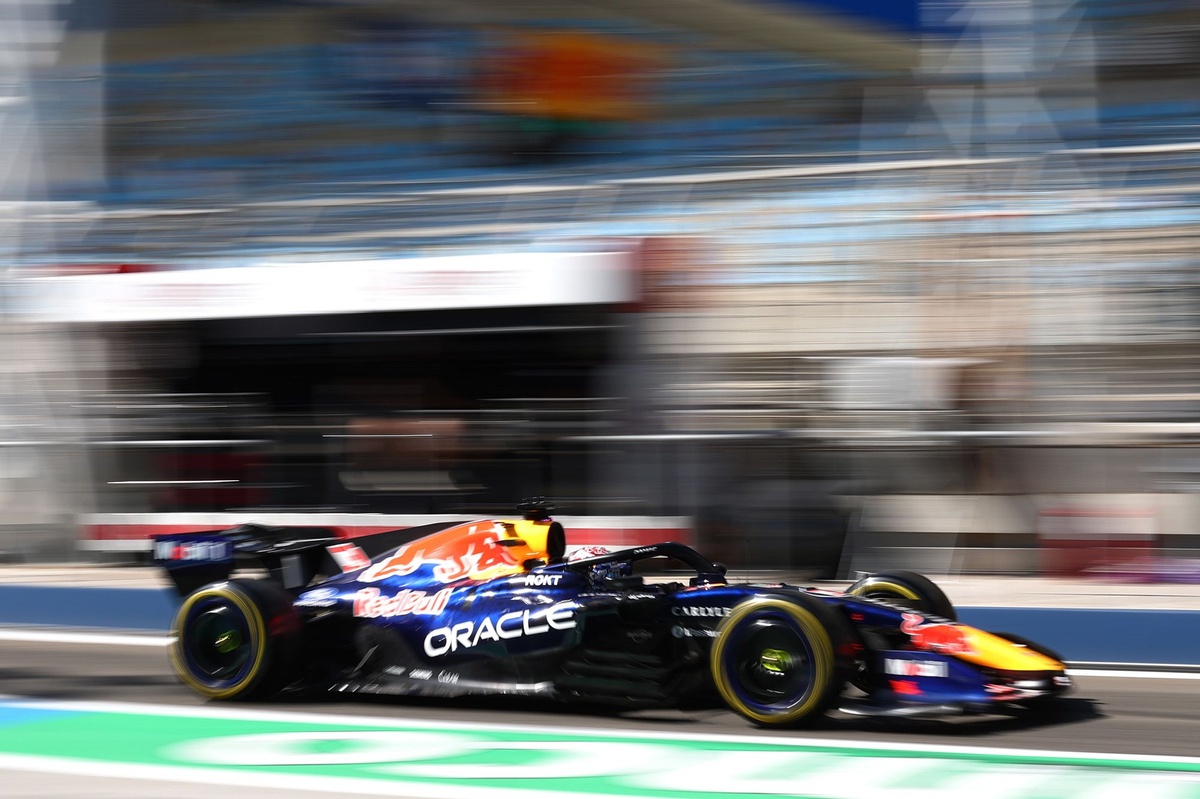

The future of Formula 1, under the looming shadow of the 2026 regulations, is sparking a firestorm of debate, with none other than reigning champion Max Verstappen leading the charge. His blunt assessment during Bahrain testing has ignited conversations across the paddock, revealing deep-seated concerns about the direction of the sport's technical evolution.
Key Insights on the 2026 F1 Rules:
- Max Verstappen controversially labeled the upcoming 2026 F1 rules "Formula E on steroids," highlighting fears of excessive technical complexity.
- Fellow champions Fernando Alonso and Lewis Hamilton have echoed concerns, questioning if the new era represents "peak F1" and expressing worries about confusing energy management for fans.
- The FIA prioritized securing new manufacturers like the Volkswagen Group (Audi) by finalizing engine regulations first, which subsequently dictated chassis and aerodynamic design.
- Red Bull's technical director Pierre Wache warned years ago against this "patch on patch" development, arguing for a more holistic approach to car design.
Driver Uproar: F1's Elite Speak Out
Verstappen's "Formula E" Warning
It's rare for Max Verstappen to hold back, and his recent comments on the 2026 F1 regulations are no exception. During the initial Bahrain testing, the Red Bull star declared the new cars felt like "Formula E on steroids" – a stark criticism hinting at a reliance on complex energy management rather than raw combustion power. This outspokenness isn't new; Verstappen had quietly expressed his reservations internally since 2023, even declining to test the 2026 simulator car last year. He's now openly asserting that his earlier private warnings are proving 90% accurate.
Champions Voice Concerns
Verstappen isn't alone in his apprehension. Two-time champion Fernando Alonso has questioned if F1 is truly in its "peak" era, even humorously suggesting a kitchen chef could drive through certain corners with the new cars. Lewis Hamilton, ever mindful of the broader audience, voiced worries that fans won't grasp the intricate energy management aspects the drivers will face. While Lando Norris and George Russell have offered more optimistic outlooks, the collective unease from three of the grid's biggest names cannot be ignored.
The Regulatory Quagmire: How We Got Here
Manufacturers First, Chassis Second
The genesis of the 2026 regulations is crucial to understanding their current complexity. The FIA took an unusual approach, locking in the power unit regulations before finalizing the chassis and aerodynamic rules. This strategic move was driven by a compelling political reality: attracting major new manufacturers. The allure of the Volkswagen Group, specifically with Audi, was a primary motivator. To secure their commitment, F1 needed an engine formula that aligned with their road car electrification strategies.
This "engine-first" philosophy, while successful in bringing new blood into the sport, dictated a necessity for significantly less aerodynamic drag. This, in turn, mandated the introduction of active aerodynamics at both the front and rear of the cars.
Red Bull's Early Alarm Bell
Even back in 2023, Red Bull technical director Pierre Wache foresaw potential issues. He articulated a clear concern to Autosport: "You cannot put patch on patch on patch to achieve something. You have to look at the problem with a bigger view..." Wache argued for a holistic design vision, emphasizing that building regulations piecemeal would lead to compromises and fundamentally alter how teams would develop their 2026 cars. His words now resonate strongly as the "patch on patch" scenario appears to be unfolding.
The Cascading Complexity of 2026
From DRS to "Overtake Mode"
The ripple effect of the engine-first approach is evident. The requirement for lower drag meant the traditional DRS (Drag Reduction System) became obsolete as an overtaking aid. To compensate, a new "overtake mode" driven by electrical power has been introduced. This chain reaction – engine formula dictating active aero, which then eliminates DRS and necessitates electrical boosts – strongly echoes Wache's warnings about a fragmented design process. While not inherently bad, it does suggest a reactive, rather than proactive, regulatory architecture.
The Energy Management Maze
Perhaps the most significant challenge for drivers and fans alike will be the intricate energy management required. Drivers will potentially need to actively manage energy output even during qualifying laps. While this could lead to more unpredictable and thrilling races, it undeniably elevates the complexity of the sport for both competitors and viewers. Understanding the nuances of energy deployment mid-race could prove a steep learning curve for the casual fan.
Looking Ahead: FIA's Stance and Future Hopes
Despite the growing chorus of criticism, the FIA has remained steadfast, stating that "no immediate major regulatory changes were required given that initial evidence and feedback remains immature." They intend to conduct further reviews once more data is available, suggesting they're not rushing into alterations.
For fans, two primary hopes emerge. Firstly, that F1 teams, known for their rapid adaptation, will quickly master the new regulations, potentially resolving initial issues much like they did with the porpoising phenomenon. Secondly, for those yearning for pure internal combustion, there's hope that advancements in sustainable fuels could significantly reduce the reliance on electrical power in future regulatory cycles. This debate, already being laid groundwork for by FIA president Mohammed Ben Sulayem, will heavily depend on political backing from manufacturers. The crucial lesson from 2026 must be to avoid another "patch on patch" scenario and strive for comprehensive, fan-centric innovation.