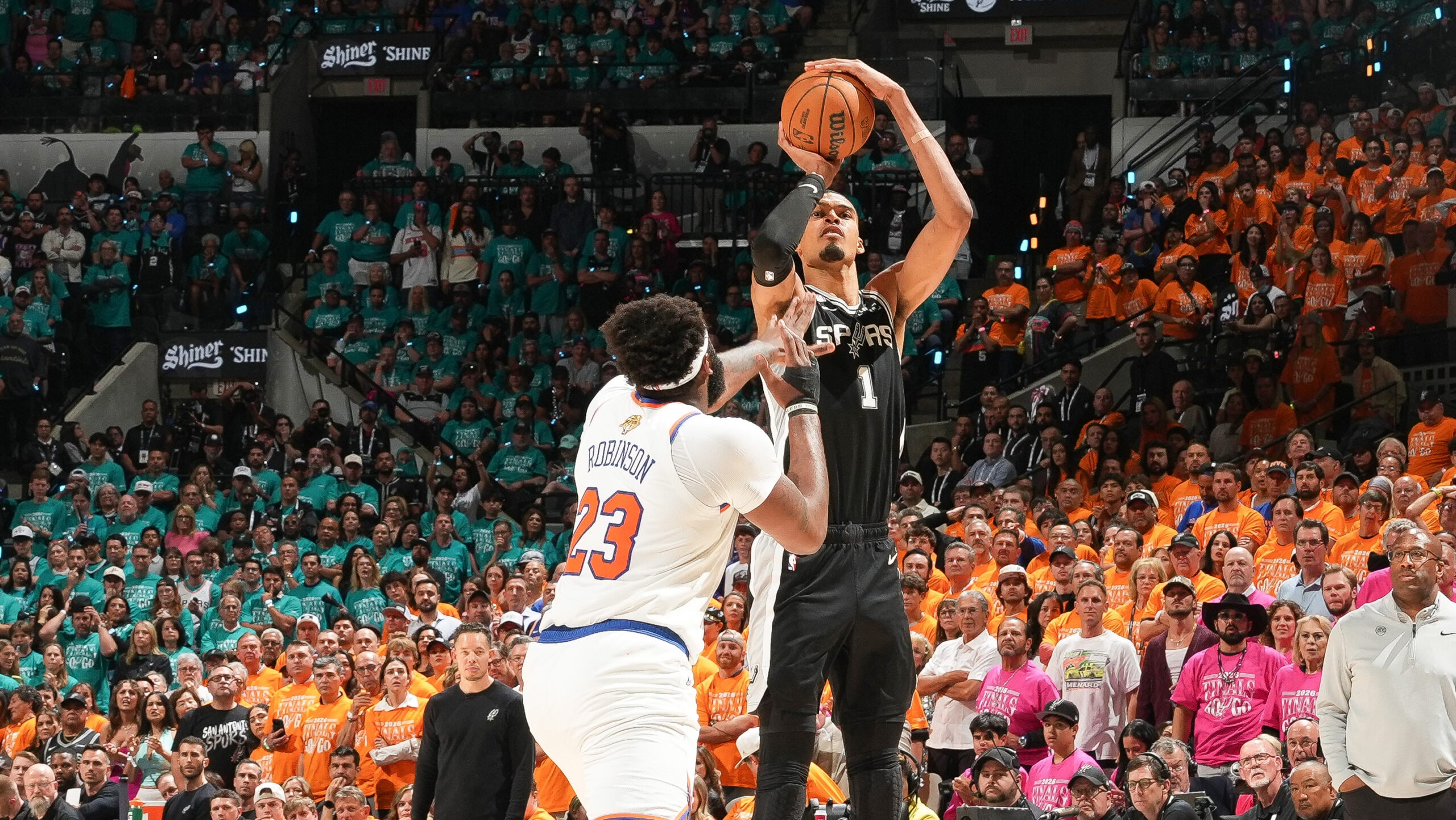

The opening act of the NBA Finals between the New York Knicks and San Antonio Spurs felt more like a gritty wrestling match than a polished ballet. Both teams stumbled offensively, leaving fans and analysts eager for a cleaner, more explosive Game 2.
Key Points for Game 2:
- Victor Wembanyama must assert his dominance inside for the Spurs to ignite their offense.
- The Knicks will lean into their late-clock offensive prowess, a high-risk, high-reward strategy.
- San Antonio's switching defense will create crucial mismatches, potentially fueling New York's second-chance points.
- Expect an intense battle for offensive and defensive rebounds as both teams fight for every possession.
The Post-Game 1 Reality Check
A Gritty Start: What Game 1 Showed
Game 1 was a true test of wills, with both the New York Knicks and San Antonio Spurs struggling to find their rhythm. The Knicks ultimately secured the victory, but it came at the cost of their worst offensive performance of the playoffs. For the Spurs, their offensive output was the third-lowest of their entire 102-game season.
Despite the offensive struggles, the game remained intensely competitive, marking only the fifth Knicks playoff contest to be within five points in the final minutes. This sets the stage for what promises to be a much sharper, higher-stakes Game 2.
Unleashing the Alien: Wembanyama's Game 2 Mandate
Dominating the Interior
Victor Wembanyama had an uncharacteristically inefficient Game 1, connecting on just 6-for-21 shots for a dismal 29%. A significant concern was his lack of paint touches: only 9 of his 21 shots came from close range, a sharp decline from his 58% regular season average. Many of these interior attempts were heavily contested, showcasing the Knicks' defensive tenacity.
For the Spurs to rebound, Wemby must establish a more formidable presence near the rim. While New York's physical defense makes easy lobs rare, Wembanyama can leverage pick-and-rolls to secure better post-up positions. This tactic can force defensive rotations, creating easier scoring opportunities or drawing critical double-teams. Expect Wemby to play with a newfound determination and aggression in Game 2.
Knicks' Late-Game Symphony: Chaos or Clutch?
Brunson's Heroics & The Numbers
Coach Mike Brown may preach "run and gun," but the Knicks frequently found themselves operating deep into the shot clock in Game 1. A staggering 34 shots came within the final seven seconds, including 12 of their 22 fourth-quarter attempts. This reliance on late-clock offense is a trademark for New York, even if it led to a paltry 26% shooting (9-for-34) from that range on Wednesday.
The remarkable aspect? They still won, largely thanks to Jalen Brunson's incredible late-clock fadeaway dagger against Devin Vassell. The Knicks' starters possess an unusual comfort and effectiveness in these pressured situations, with five players ranking among the top 12 in late-clock effective field-goal percentage over the last two seasons. This suggests their "late offense" isn't always a weakness, but a calculated, albeit risky, strength.
The Chess Match: Switching, Boards, and Second Chances
Exploiting Mismatches
San Antonio's strategy of liberally switching on ball-screens often led to favorable mismatches for the Knicks, particularly for Karl-Anthony Towns. Defenders like De'Aaron Fox or Stephon Castle found themselves isolated against the larger Towns in the paint. This dynamic frequently collapsed the Spurs' defense, creating opportunities for kick-out threes or drawing fouls.
While Spurs rookie Stephon Castle affirmed their commitment to switching, recognizing its past success, this approach directly contributes to the Knicks' late-clock situations. New York isn't gaining early advantages, but patiently hunts for weaknesses created by the switch.
The Battle for the Boards
Game 1 saw the Spurs out-rebound the Knicks on the offensive glass (14-10), yet New York dominated second-chance points (23-14). This discrepancy highlights that not all offensive rebounds translate directly to points, and the Knicks are adept at capitalizing on loose balls and defensive miscues after the initial shot. Expect both teams to prioritize crashing the boards and limiting those crucial second-chance opportunities as this series progresses. The fight for every possession will define Game 2 and potentially the entire series.