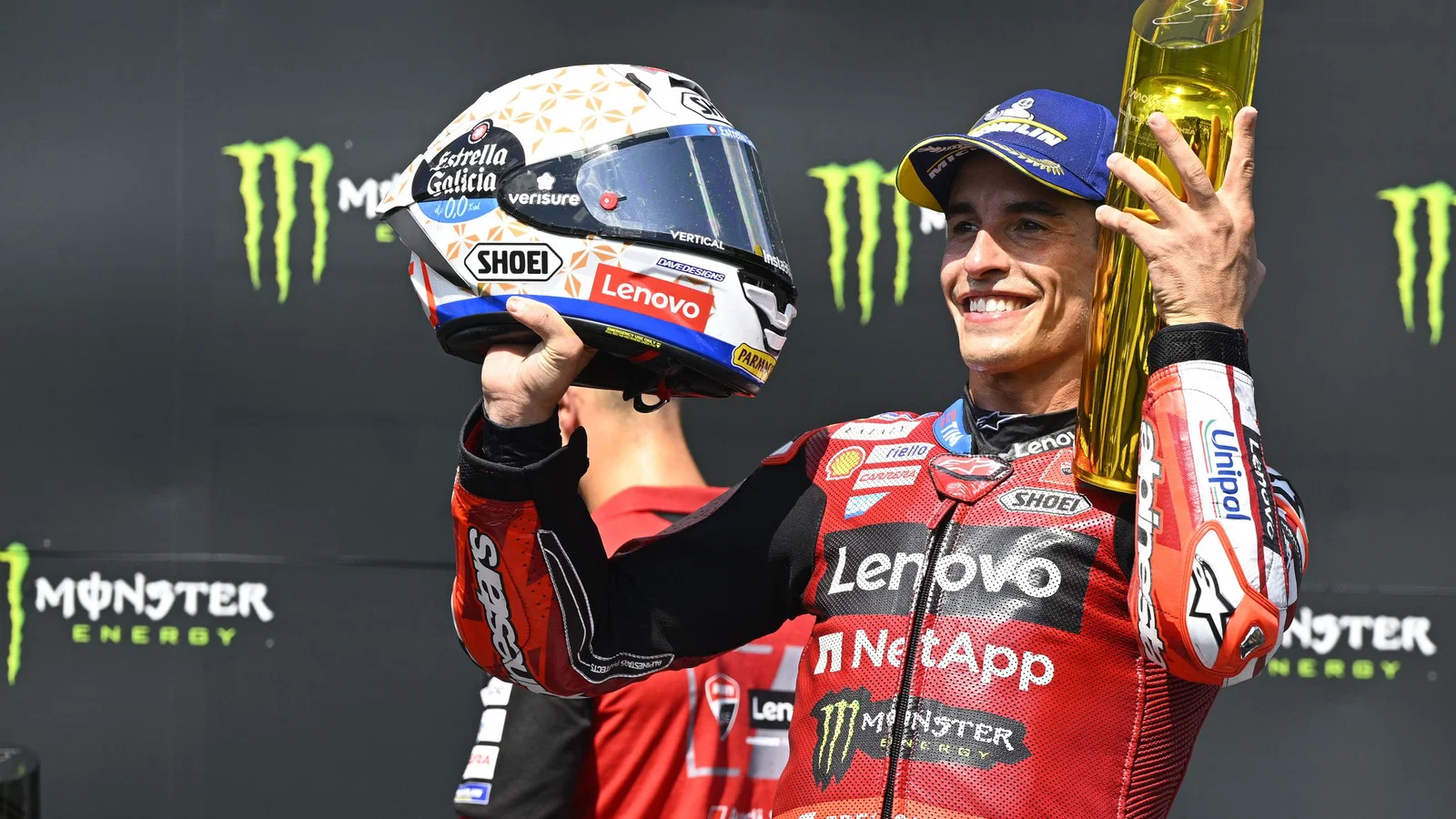


The Hungarian Grand Prix Sprint was expected to deliver an exciting showdown between Marc Marquez and Pedro Acosta, but instead became one of the least eventful races of the MotoGP season.
After Marquez converted pole position into an early lead, the order at the front quickly settled. Acosta was unable to mount a serious challenge for victory, while Marco Bezzecchi held on to the final podium position despite pressure from Raul Fernandez and Fermin Aldeguer. None of the leading riders attempted a decisive overtaking move during the 13-lap contest.
Several factors contributed to the lack of action.
One of the biggest issues was the nature of the Balaton Park circuit itself. The stop-and-go layout offers few clear overtaking opportunities, making track position extremely important. Riders found that even when they closed in on a rival, completing a pass without losing significant time was difficult.
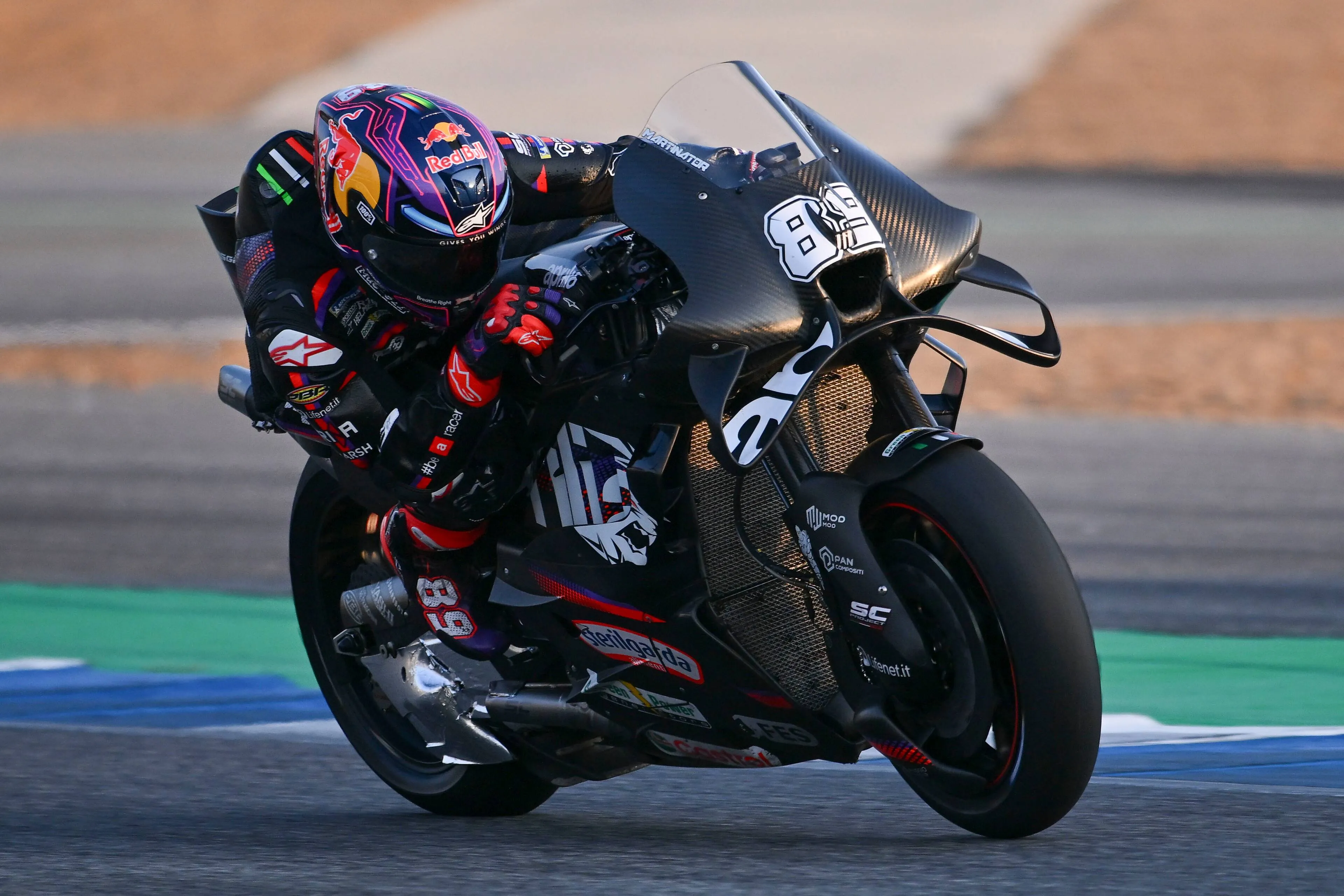
Aprilia rider Jorge Martin explained that mistakes are heavily punished around the Hungarian venue, making riders more cautious when considering overtaking attempts.
According to Martin, a failed move often costs more time than remaining behind the rider ahead, encouraging a more conservative approach during races.
Track conditions also played a major role. Temperatures increased significantly compared to Friday's practice sessions, creating additional challenges for teams and riders. While tyre wear was not a major concern, overheating became a widespread issue, particularly for the front tyre. This made it harder for riders to stay close enough to attack.

Source: Car Racing Today
Most of the field used the soft tyre compound, which proved durable enough over Sprint distance. However, the heat generated while following another bike reduced grip and affected braking performance, limiting overtaking opportunities even further.
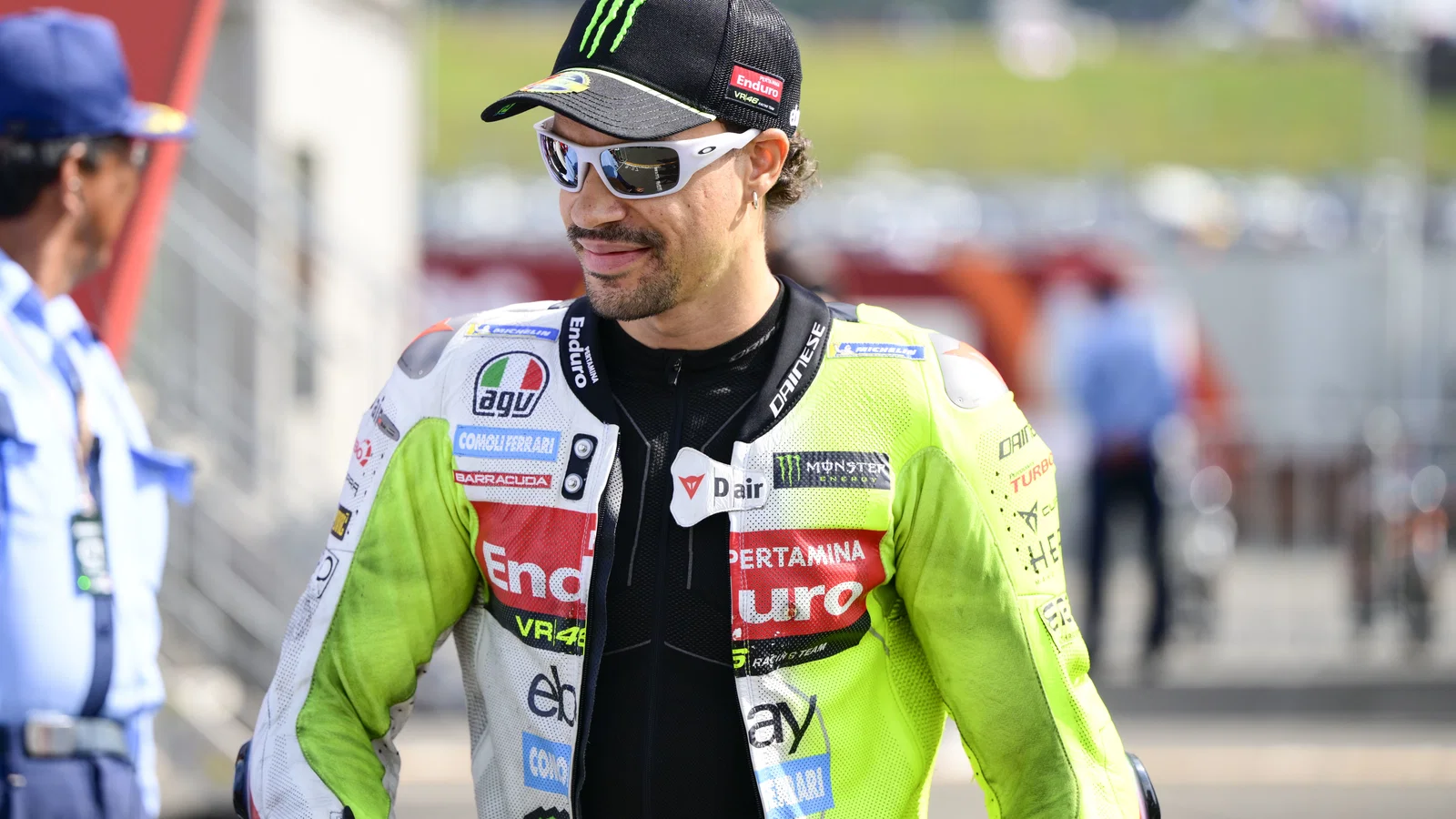
Trackhouse rider Raul Fernandez said front-tyre overheating prevented him from making a serious challenge on Bezzecchi despite spending much of the race close behind the Aprilia rider. Honda's Joan Mir echoed those concerns, admitting that riders were unable to attack when they could not consistently stop the bike in heavy braking zones.
Another concern was the recently resurfaced Turn 1. Several riders had already experienced difficulties at the corner during qualifying, and many approached the opening laps cautiously because of the limited grip available off the racing line.
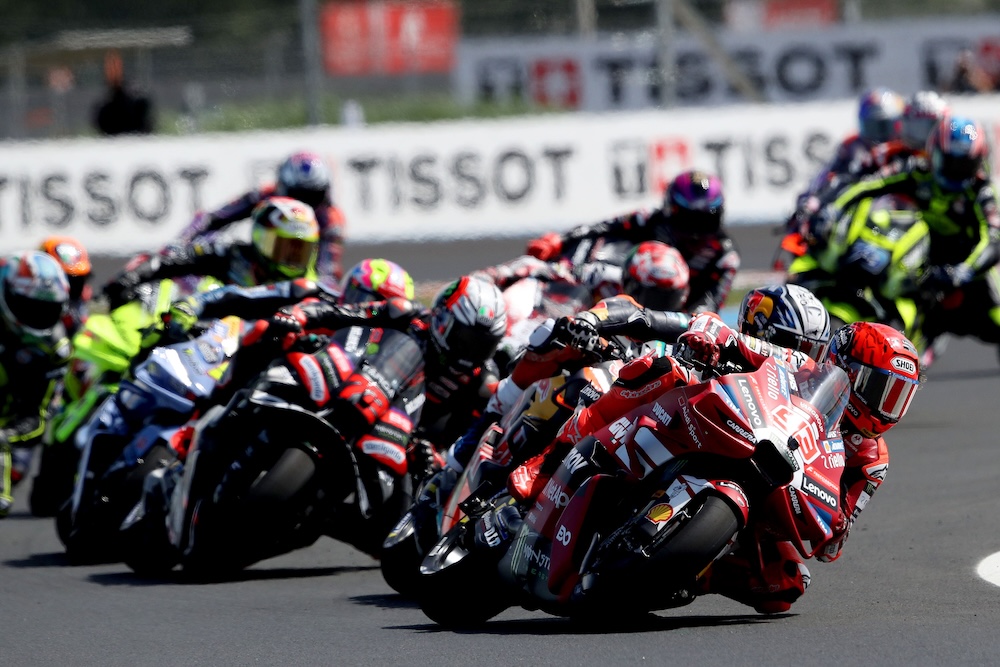
LCR Honda stand-in Cal Crutchlow described a "blockade effect" during the opening stages of the race. Although riders at the back appeared capable of going faster, the lack of overtaking opportunities meant the entire field became trapped in a train of bikes with little chance to advance.
While Balaton Park has delivered drama through crashes and close gaps, Saturday's Sprint highlighted a growing concern among riders that the circuit's layout may struggle to consistently produce exciting racing. With overtaking proving so difficult, many competitors spent more time managing tyres and avoiding mistakes than attacking rivals.
The result was a race where positions were largely decided in the opening lap, leaving fans waiting in vain for the battles that never truly developed.