

The Japanese GP: Williams' Secret Test Mission with Alex Albon
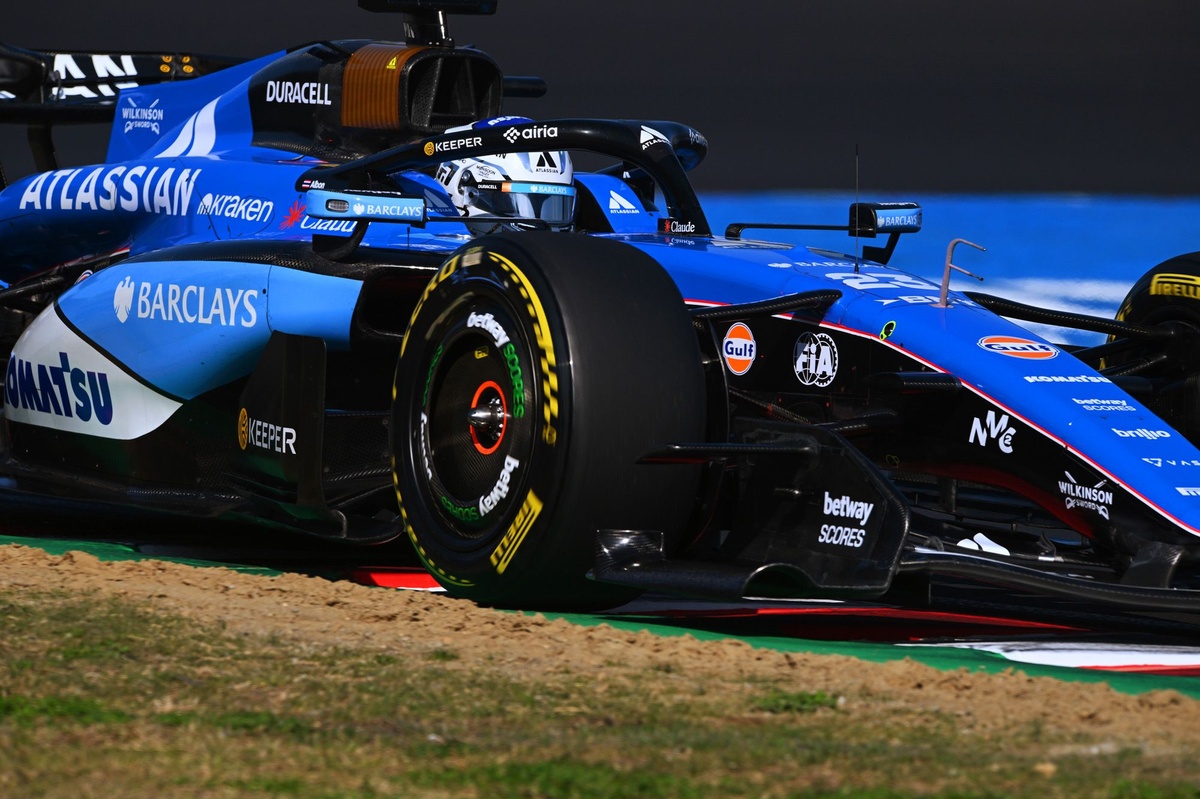
The Japanese Grand Prix wasn't just another race for Williams F1; it was a covert engineering masterclass disguised as a challenging Sunday. While fans watched the frontrunners, Alex Albon was quietly at the heart of an unconventional strategy, turning his FW47 into a crucial real-time laboratory. This wasn't about points; it was about the future.
Key Insights from Suzuka's Secret Test
- Strategic Pit Stops: Alex Albon entered the pits five times in rapid succession during the race's closing stages, not for performance, but for data acquisition.
- Extreme Aero Adjustments: Williams performed significant, consecutive front wing angle changes to map the car's aerodynamic behavior under varied conditions.
- Targeting Grip Issues: The primary goal was to gather critical information to address the FW47's persistent front-end grip deficiencies.
- Future Development: This invaluable data will inform upcoming upgrades, particularly for the Miami Grand Prix, and improve track-to-simulator correlation.
The Unseen Strategy at Suzuka
Williams F1 is currently grappling with a significant challenge: an overweight FW47 chassis, estimated to be over 20 kg heavier than ideal. This substantial penalty not only hinders performance but also slows down crucial aerodynamic development. Despite this, the team is relentlessly pursuing gains, and Suzuka offered a unique opportunity.
A long-standing issue for Williams has been the lack of front-end grip, a characteristic that has plagued their cars across multiple technical cycles. Prior to the Japanese Grand Prix, Alex Albon hinted at these experimental tests, confirming the team's intent to use race weekends for crucial data gathering, especially when a points finish was out of reach.
A Pit Lane Blitz: What Really Happened
As the Japanese GP entered its final phase and a points finish became unlikely, Williams initiated their bold plan. Starting on lap 45, Alex Albon was called into the pits. There, the team fitted a new set of soft tires and, crucially, made a significant adjustment to the front wing angle.
But they didn't stop there. After just one lap on track, Albon was back in the pit lane for another front wing tweak, this time by 4.5 clicks. This rapid-fire process was repeated over the next three laps, with wing angles being altered by substantial margins, sometimes exceeding four clicks per stop. The fifth and final stop even saw a switch back to medium tires, pushing the experimental envelope even further.
Beyond the Stopwatch: The Data Harvest
These weren't random adjustments; they were precisely calculated experiments designed to push the FW47 to its aerodynamic limits. Each change in the front wing angle cascades through the car's airflow, impacting downforce and balance across the entire chassis.
Equipped with an array of sophisticated sensors, the Williams engineers were meticulously measuring pressure across aerodynamic surfaces. This intricate data allows them to derive precise downforce values and gain a comprehensive understanding of how specific adjustments affect the car's behavior. The goal: to build an extensive aerodynamic map for detailed analysis back at the factory, comparing it directly with their simulations.
Powering Future Performance
The timing of this data harvest is paramount. With a forced one-month break in the F1 calendar, Williams now has an invaluable window to analyze the extensive information collected from the first three races. This deep dive will directly inform the next wave of upgrades, which are anticipated for the Miami Grand Prix.
Williams recognizes the urgency to close the performance gap. Every piece of information that strengthens the correlation between their track performance and simulator predictions is gold. This unconventional approach at Suzuka underscores their commitment to meticulous development, hoping to unlock the true potential of the FW47 and propel them up the grid.