

In the cutthroat world of Formula 1, sometimes the bravest moves aren't about blistering lap times, but strategic sacrifice. For Williams Racing, team principal James Vowles has made a "horribly painful" call, actively foregoing 2026 aero upgrades to channel vital resources directly into the 2027 car development. This isn't just a decision; it's a monumental gamble on the team's future.
Key Strategic Decisions by Williams
- 2026 Aero Upgrades Sacrificed: Planned aerodynamic improvements for the 2026 season are on hold.
- Focus Shift to 2027: All available resources are being redirected to optimize the 2027 car under new regulations.
- "Horribly Painful" Choice: Team principal James Vowles openly expressed the difficulty of this long-term strategy.
- Friday Practice as Testbed: Recent race weekends are being used for 2027 data collection, even at the expense of immediate performance.
The Ultimate Sacrifice: Williams Bets Big on Tomorrow
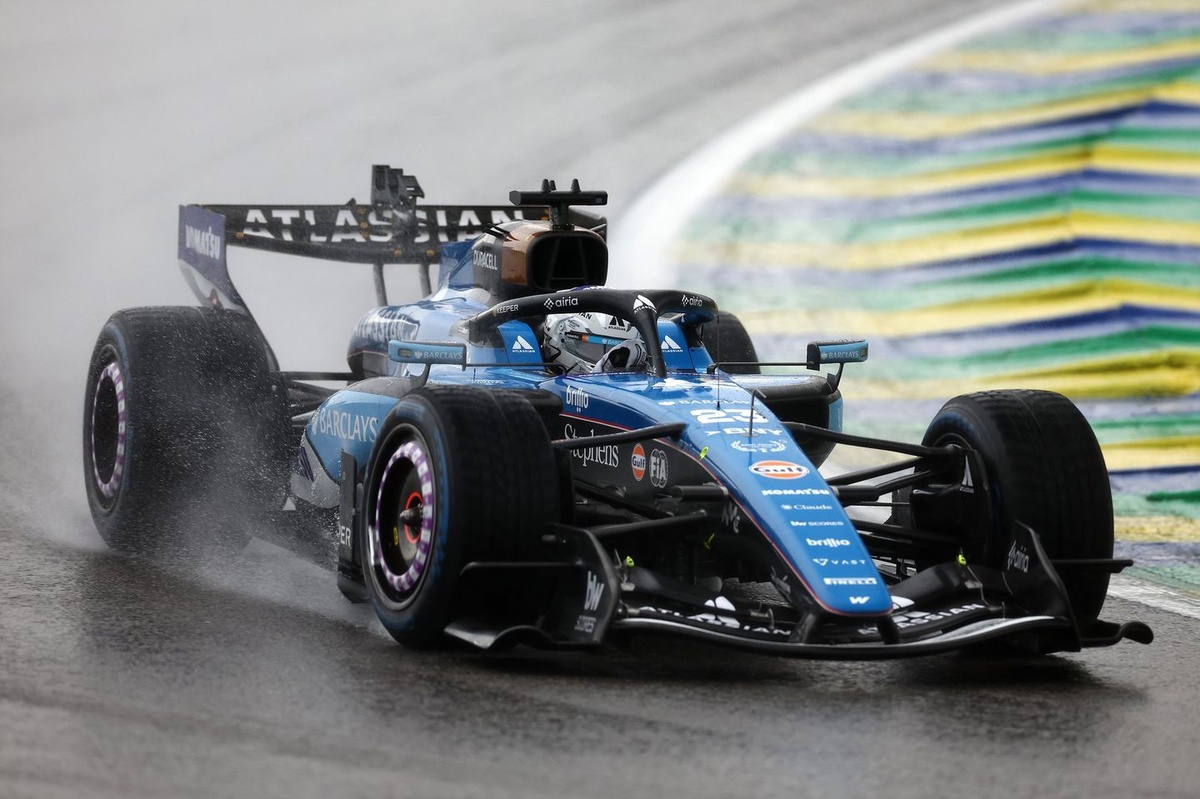
The Grove factory has been grappling with significant challenges, producing a car that was late, overweight, and aerodynamically underdeveloped. Despite efforts to get the chassis to the weight limit – introducing a new version in Azerbaijan – the current Williams F1 machine has only mustered 12 points so far. This stark reality forced Vowles to confront an agonizing truth: chasing marginal gains now would compromise a legitimate shot at competitiveness later.
His decision isn't merely about saving money; it's about reshaping the entire engineering pipeline. The team has deliberately held back from producing parts based on promising wind tunnel data. "We've purposely not spent money, we had more aero locked away in the wind tunnel that we have not brought to the track, really saving the cost cap dollars for next year," Vowles explained.
Vowles' Painful Call: Ditching Short-Term for Long-Term Glory
Imagine knowing you have improvements in hand, but choosing not to implement them. That's the agony Vowles and his team are experiencing. "It's horribly painful. I can't tell you how painful it was to sit in the meeting and make those decisions, because it's just not the way you think. You want every millisecond on track," he revealed at the Brazilian Grand Prix. This sentiment underscores the immense pressure and difficult choices facing teams in the F1 paddock, especially those striving to climb back up the grid.
The ripple effect extends to operations. The team is running on marginal spare parts, "pushing everything to the limit of mileage." Producing parts that will soon be obsolete is deemed a wasteful expenditure, further illustrating the severity of Williams' commitment to its future-focused strategy.
Laying the Groundwork: 2027's Secret Lab Sessions
Beyond budget reallocations, Williams is already treating certain Friday practice sessions as covert test runs for 2027. This isn't just about collecting data; it's about deeply understanding new concepts and aerodynamic mechanisms that will define the next generation of Formula 1 cars.
"The work we've been doing in Austin [and] Mexico was preparation work for 2027 as well," Vowles confirmed. "Understanding the package, the aero development mechanisms we've gone through, it helps us get ahead of the curve." It's a pragmatic acceptance that, with the current car, points are a bonus rather than an expectation. This proactive approach aims to break the cycle of playing catch-up, positioning Williams for a stronger start when the new regulations hit. The focus is clear: invest now for a chance at true relevance later.