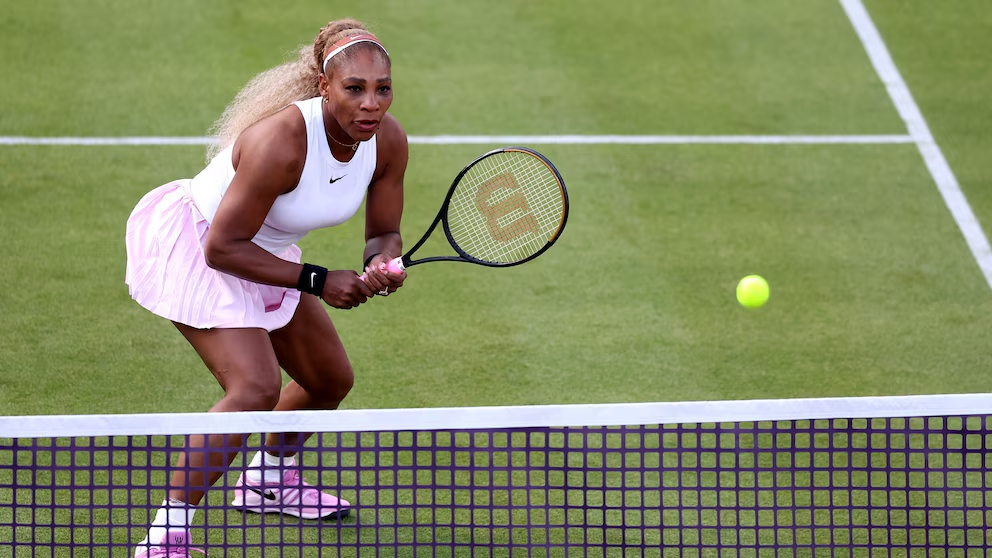

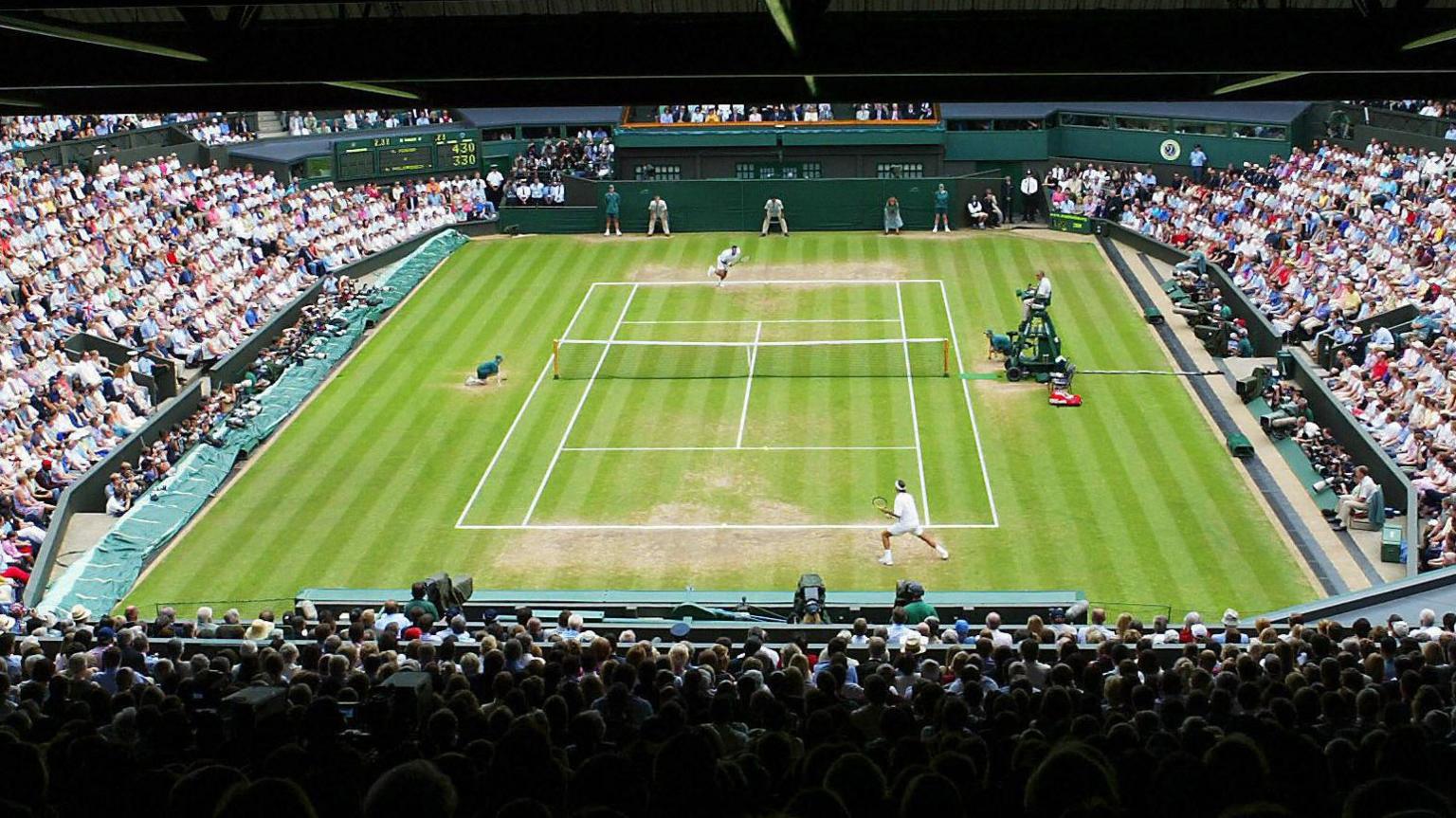

Wimbledon is set to offer record prize money again this year, but the announcement has reignited a wider debate about how tennis distributes its wealth.
The tournament has repeatedly increased its payouts, with champions now earning millions of pounds and players in the early rounds also receiving significantly larger sums than a decade ago. Despite those increases, many players argue that the share of revenue flowing to competitors remains too small compared with the commercial success of the four Grand Slam events.
The discussion has gained momentum in recent months as players from across the rankings have raised concerns about the sport's economic structure. Top stars continue to earn substantial prize money, sponsorship deals and appearance fees, but lower-ranked players often face a very different reality. Travel costs, coaching expenses and tournament fees can consume a large portion of their earnings, making it difficult to build sustainable careers.
Some players believe the current system concentrates too much wealth at the top of the game. They point out that Grand Slam tournaments generate enormous revenue through broadcasting rights, sponsorships and ticket sales, and they want a larger percentage directed toward competitors.
Tournament organizers have countered that prize money has risen dramatically over time and that the Grand Slams invest heavily in facilities, staff, infrastructure and the broader development of tennis. Wimbledon, like the other majors, argues that its financial contributions extend beyond the two-week event itself.
The debate has also highlighted a growing tension between elite players and those further down the rankings. While stars can earn millions annually, players outside the top tiers often struggle to break even. Supporters of reform say increasing prize money deeper into tournament draws would help create a healthier and more sustainable professional ecosystem.
Another factor is the changing economics of sports entertainment. As media rights and sponsorship values continue to grow, athletes in many sports have become more vocal about their share of the revenue. Tennis players are increasingly adopting a similar stance, particularly around the Grand Slams, which remain the most lucrative and prestigious events on the calendar.
For now, Wimbledon's prize money increase is being welcomed by players across the tour. However, the broader argument is unlikely to disappear. The central question is no longer whether Grand Slam payouts should rise, but whether the sport's financial model distributes its growing wealth in a way that is fair for competitors at every level.