


The Mercedes Formula 1 team is a paradox: undeniably the fastest car on the grid in 2026, yet constantly battling a frustrating string of mechanical woes that have undeniably cost them victories. Team Principal Toto Wolff isn't backing down from their aggressive performance-first philosophy, but he's making it crystal clear: the time for "gremlins" is over.
Key Takeaways
- Mercedes has secured 9 pole positions but only 7 victories out of 9 Grand Prix rounds this season.
- Toto Wolff insists he'd rather have a "fast, unreliable car" than a slow, dependable one.
- Key incidents include Kimi Antonelli's electrical failure at Barcelona and George Russell's retirement from the lead in Canada.
- Despite issues, Mercedes has covered significant mileage, ranking second only to Ferrari.
The Paradox of Power: Mercedes' Blazing Speed, Costly Setbacks
There's no denying the raw pace of the Silver Arrows this season. They've dominated qualifying, snatching an incredible 9 pole positions in Formula 1 Grand Prix races. However, this blistering speed has often been overshadowed by a frustrating inability to convert every opportunity into a win, leading to a tally of 7 victories from 9 rounds. According to Wolff, that number should be a perfect 9 from 9.
Wolff's Unwavering Stance: Speed Over All (For Now)
When pressed on whether Mercedes should "dial back" their aggressive design to improve reliability, Toto Wolff remained defiant. "I'd rather dial back a little bit something that is really good, and fix some of the reliability gremlins, than run behind performance," he stated. This philosophy underscores the team's relentless pursuit of the absolute performance limit on both chassis and engine fronts.
His preference for a "fast, unreliable" car over a "slow and reliable" one highlights the mindset that has delivered so much success in the past. Yet, even Wolff concedes that the balance now needs to shift towards ironing out the kinks that are undeniably costing precious championship points.
A Season Plagued by Gremlins: The Race-Losing Moments
The 2026 F1 season has seen several high-profile incidents where Mercedes' pace was thwarted by mechanical issues. At the Spanish Grand Prix in Barcelona, promising rookie Kimi Antonelli was forced to retire from a strong second place due to an electrical problem, leaving the door open for Ferrari's Lewis Hamilton to claim victory.
Just weeks prior, at the Canadian Grand Prix, a similar electrical fault cruelly ended George Russell's charge while he was leading the race. These weren't minor inconveniences; they were race-altering failures that directly impacted potential wins. Most recently, the British GP saw Antonelli again suffer misfortune when a wheel shield broke, disrupting what could have been a strong challenge against eventual winner Charles Leclerc.
Mileage and Misfortune: A Closer Look at the Stats
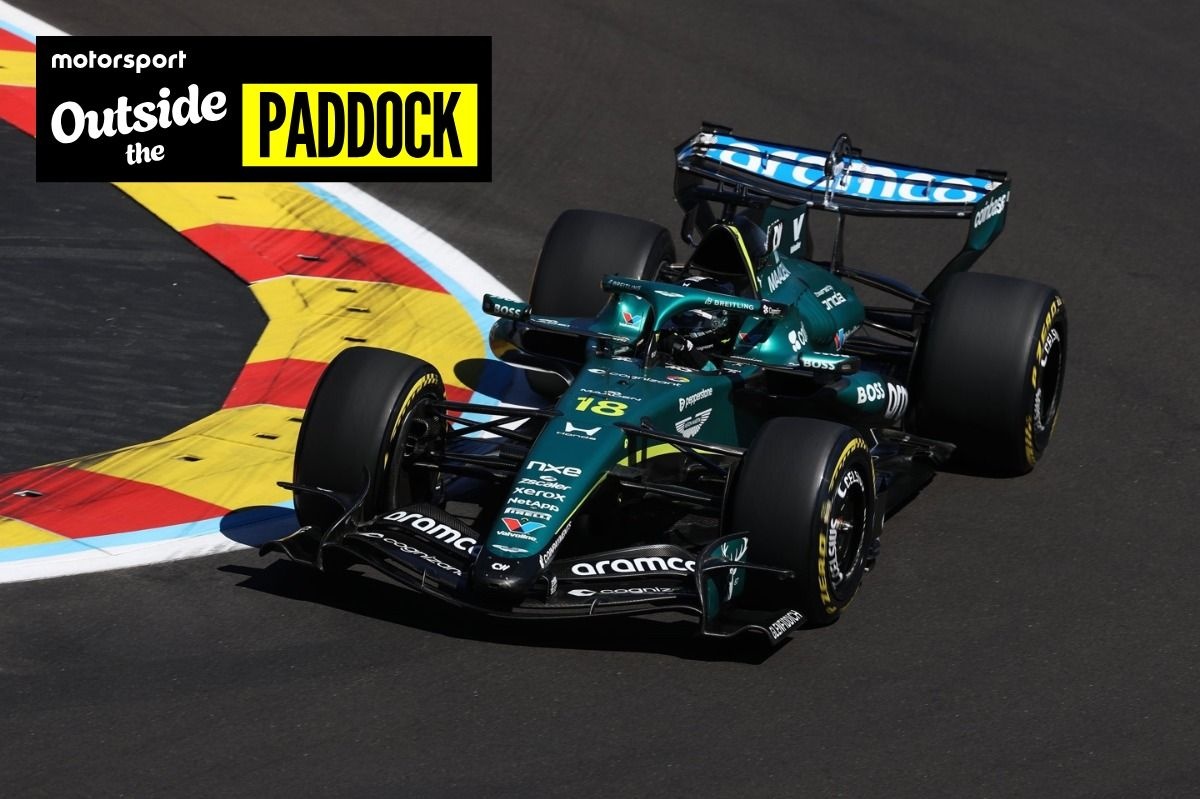
Despite these costly setbacks, Mercedes has demonstrated remarkable durability in terms of sheer distance covered. They've logged 5,215km out of a possible 5,408km in Grand Prix races this season, a testament to the underlying robustness of their package, second only to Ferrari. This contrasts sharply with teams like Aston Martin, who have completed a mere 3,753km and struggled significantly with their troublesome powertrain.
The Road Ahead: Can Mercedes Bottle Lightning *and* Reliability?
The challenge for Mercedes is clear: maintain their championship-leading pace while eradicating the "gremlins" that are turning potential double-podiums into frustrating DNFs. Wolff's acknowledgment that it's "time to weed out" these issues signals a focused effort. The racing world watches to see if the Silver Arrows can finally harness their blazing speed with bulletproof reliability, turning their dominance into an unblemished record of victories.