


The roar of the crowd, the vibrant pre-match rituals – these are the heartbeat of the FIFA World Cup. Yet, at MetLife Stadium, the designated host for the 2026 Final, the recent Brazil vs. Morocco opener felt unsettlingly quiet, raising serious questions about the fan experience for the upcoming global spectacle.
- Tailgating Restrictions: Traditional pre-game festivities were heavily curtailed, dampening the celebratory atmosphere.
- Controlled Commute: Fans faced an expensive and highly regimented journey, stripping away spontaneity and buzz.
- Political Tensions: Ongoing disputes between local governments and FIFA impacted planning and fan provisions.
- Uninspired Match: A tepid on-field display by both Brazil and Morocco mirrored the subdued ambiance.
MetLife's Sterile Start: Where Was the Samba?
MetLife Stadium, a colossal structure amidst New Jersey's wetlands, usually transforms into a party hub for American sports. However, on this pivotal Saturday, the customary vibrant pre-match atmosphere was notably absent. The promise of an electric FIFA World Cup 2026 experience felt distant as fans navigated a surprisingly joyless landscape.
The Death of the Pregame Party
For legions of football fans, the ritual of gathering before kickoff is paramount. Yet, FIFA's security perimeters and repurposing of vast parking areas for event staff rendered traditional tailgating virtually impossible. What is usually a sprawling carnival of cars, grills, and camaraderie was reduced to a desolate stretch of tarmac. This stark contrast, arguably influenced by security lessons from the chaotic 2024 Copa America final, erased a crucial element of fan engagement.
The Costly Commute: Trading Buzz for Bureaucracy
The journey to MetLife Stadium from New York City proved to be more of a disciplined commute than a joyous pilgrimage. Fans endured an hour-long, highly controlled NJ Transit expedition costing a hefty $98 per person for a round trip. Multiple ticket checks and strict wristband policies ensured order, but at the expense of the spontaneous chants and spirited marches typical of major international football events. The sense of collective anticipation simply couldn't build.
Political Pitfalls: Behind the Scenes Battles
The subdued matchday atmosphere didn't emerge in a vacuum. A contentious backdrop of political infighting between New York, New Jersey, and FIFA has plagued the New York/New Jersey host committee's preparations. While New Jersey's attorney general publicly challenged FIFA over soaring ticket prices, New York City Mayor Zohran Mamdani pursued a more collaborative approach. These negotiations notably secured wins for fans, including $50 tickets for 1,000 supporters and free fan zones – a welcome relief amidst the broader struggles.
On-Pitch Drabness: Brazil's Uninspired Opener
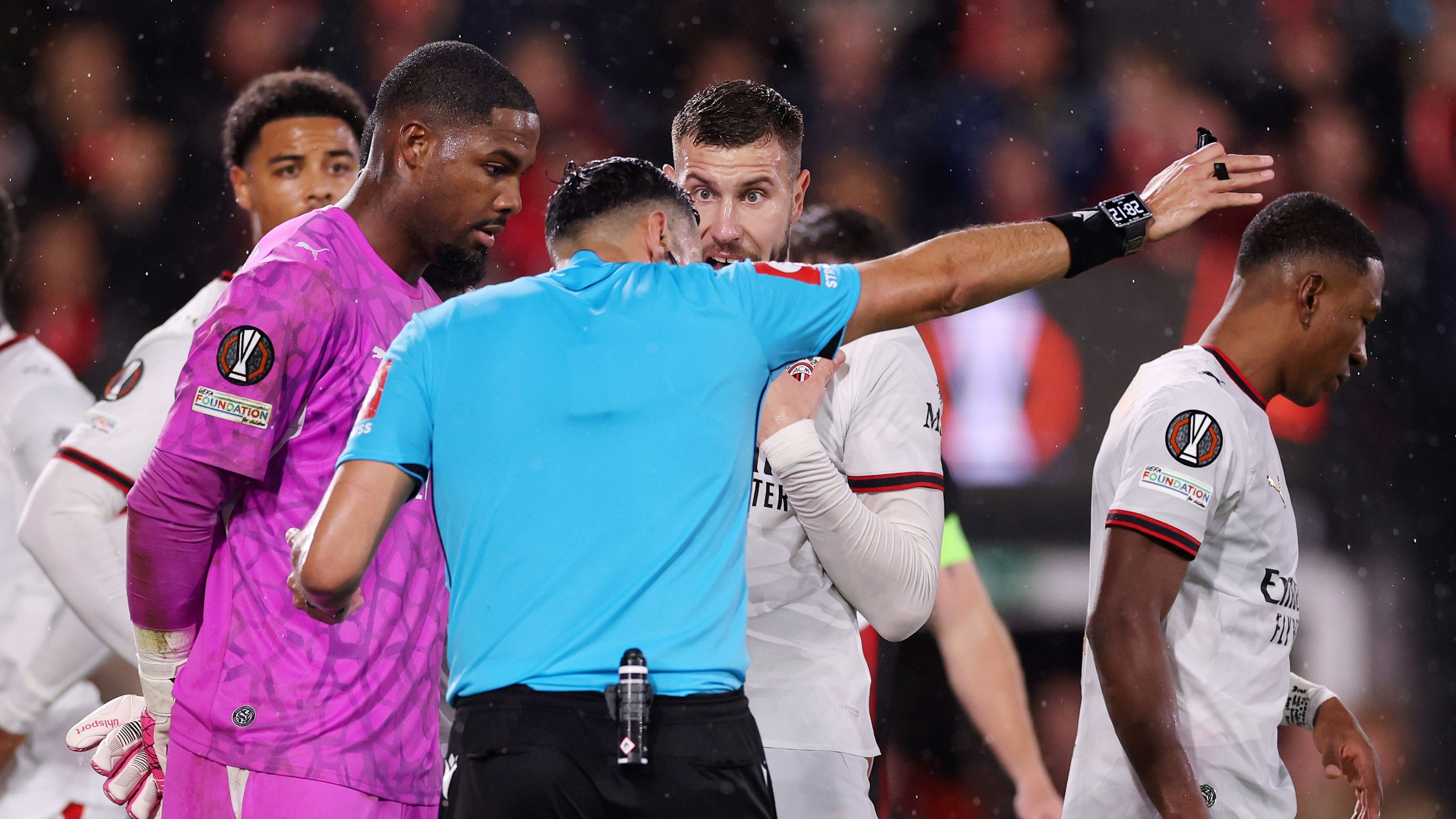
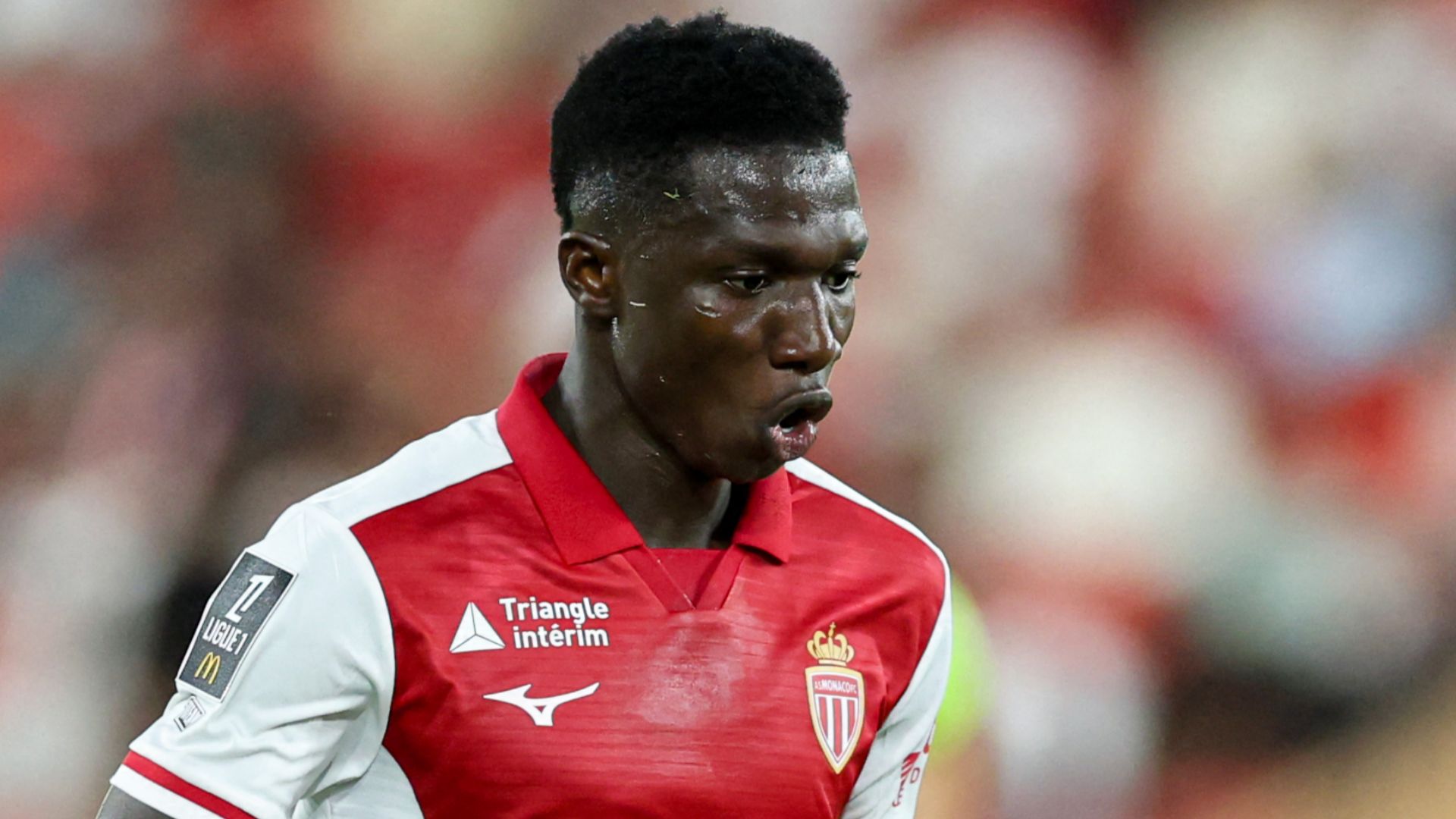
Even the highly anticipated clash between Brazil and Morocco struggled to ignite the sparse energy in the stands. Under Carlo Ancelotti, Brazil presented a stout, defensive side rather than the free-flowing samba expected. Despite a strong start from Morocco, with Ismael Saibari scoring after an impressive assist from Brahim Diaz, the game largely fizzled out. Vinicius Jr provided a moment of brilliance, equalizing for Brazil, but the second half offered little excitement in the 90-plus degree heat. As Ancelotti himself remarked, it was merely an "agreeable" point.
The Looming Question for 2026: Soul or Structure?
This "opening day" at a future World Cup Final venue presented a paradox: everything went "right" in terms of logistics and safety, yet nothing felt truly "special." The hyper-managed environment, while efficient, stifled the very essence of football fan culture. As one Brazilian supporter lamented, "This is America. They don't understand the culture. They see drums, they see people standing on the seats. It's too much." If FIFA prioritizes sterile order over the organic passion that defines the beautiful game, MetLife Stadium's debut offers a concerning glimpse into a World Cup without its soul. The challenge for 2026 is clear: can structure and safety coexist with spontaneity and spirit?