
The Future Formula: Smaller Footprint, Bigger Impact?
The 2026 Formula 1 season promises a spectacle of more agile and responsive machines. The FIA has mandated a substantial reduction in vehicle dimensions, with the wheelbase shrinking from 3,600mm to 3,400mm and width narrowing from 2,000mm to 1,900mm. This isn't just cosmetic; it's a strategic move to combat the trend of ever-growing car weights and sizes.
Crucially, the minimum weight has also dropped from 800kg to a lean 768kg. These changes are designed to make cars more nimble on track, potentially improving the racing by generating less turbulent air and fostering closer competition. Fans can expect a more dynamic driving experience from the drivers.
The Engineering Gauntlet: Squeezing Innovation into Less Space
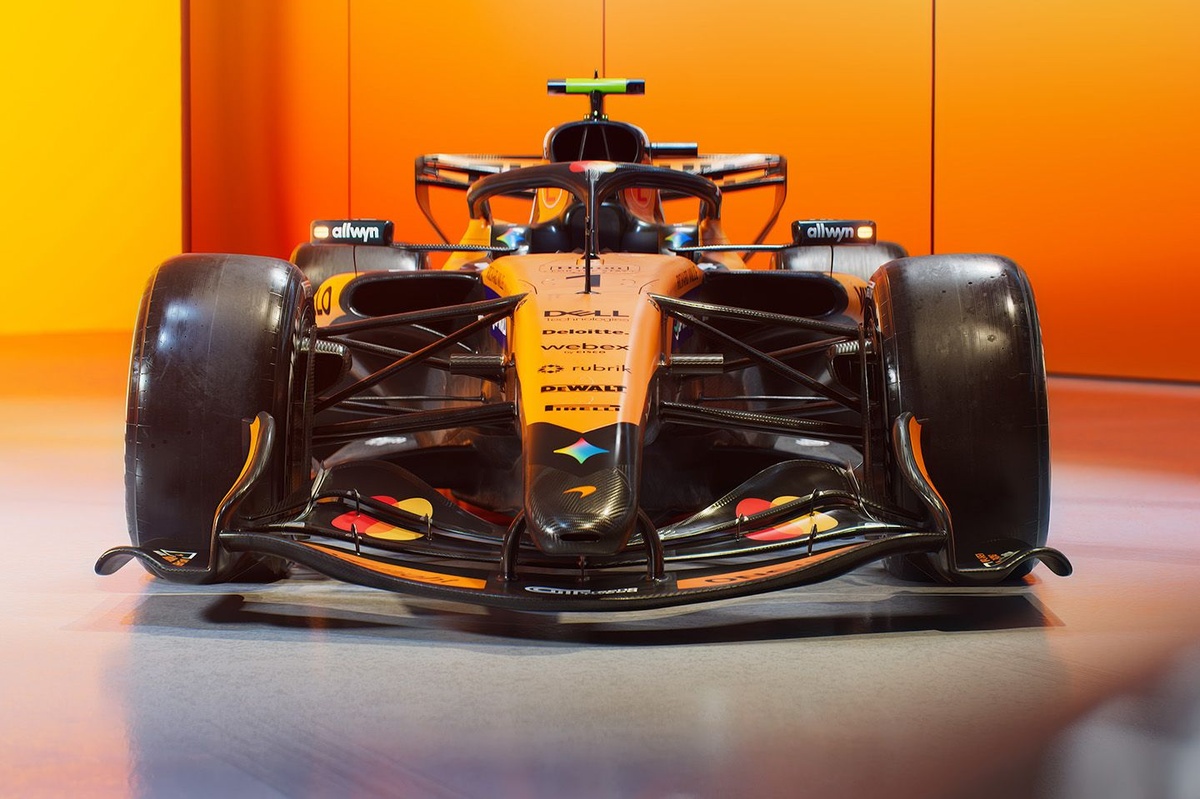
While smaller cars are a win for on-track action, they present a monumental headache for design teams. McLaren Chief Designer Rob Marshall highlighted this crunch, noting, "The car is so much shorter. So, a lot of the packaging for radiators and electrical boxes... finding homes for those has been very difficult." Every component, from wiring harnesses to cooling systems, now demands a more creative, compact solution.
One small silver lining in this packaging puzzle is a slightly smaller fuel tank, freeing up a minuscule amount of crucial space. Yet, this hardly offsets the immense challenge of integrating all the intricate systems into a significantly condensed chassis.
The Brutal Reality of Safety Demands
Beyond dimensions, the FIA has ramped up safety protocols, making crash tests more stringent than ever. A key focus is a tougher, two-stage frontal crash test designed to protect drivers from secondary impacts—those subsequent collisions after an initial hit has compromised the nose structure.
Marshall described the new homologation requirements for the chassis as "quite brutal this year." Engineers are pouring significant effort into research and development to ensure the cars can withstand these intense new safety benchmarks, safeguarding drivers in an increasingly fast and demanding sport.
Unlocking Speed: The Dawn of Active Aero
One of the most exciting technical developments for 2026 is the introduction of active aerodynamics. Both the front and rear wings will feature movable flaps, similar to the old DRS system, which will operate in conjunction to reduce drag in straight-line modes. This dynamic aero system will allow cars to achieve higher top speeds, making overtakes potentially more thrilling.
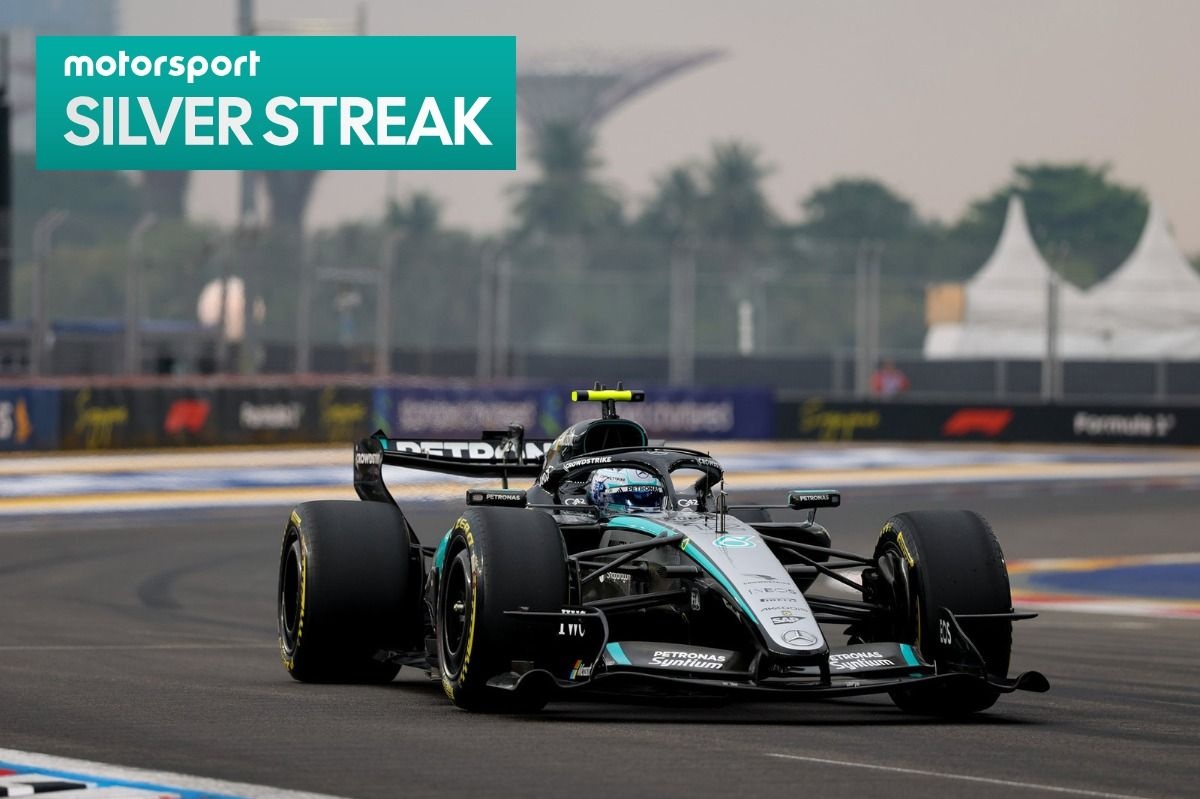
Designers have considerable freedom in how these active elements are actuated. Early glimpses, like the unique front wing design on the Mercedes W17 during shakedown, suggest we'll see a variety of innovative solutions across the grid. The new front wing itself is lower with a wider footplate, while the rear wing, mounted on two pylons, will seamlessly synchronize its movement with the front for optimal performance.
A New Era of Engineering Prowess
The **2026 F1 regulations** are a testament to the sport's relentless pursuit of innovation, speed, and safety. While they pose a "brutal" challenge for engineers, these rules are set to deliver a new generation of **Formula 1 cars** that are smaller, lighter, safer, and arguably, more spectacular to watch. Get ready for a thrilling display of engineering genius on track!