


Ferrari's Silverstone Rollercoaster: From Pole to P3 Puzzle
The British Grand Prix promised a triumphant home race for Lewis Hamilton and Ferrari, yet a last-minute setup change turned his weekend into a frustrating battle against his own car. While Charles Leclerc masterfully piloted his SF-24 to victory, Hamilton wrestled with an unforgiving machine, highlighting the razor-thin margins in Formula 1.
Key Takeaways from Hamilton's British GP:
- Lewis Hamilton suffered from extreme understeer after a pre-race front wing adjustment.
- Charles Leclerc adopted a contrasting setup, which proved optimal for his Ferrari.
- Pirelli data reinforced that understeer significantly increases front tyre wear.
- Despite in-race adjustments, Hamilton couldn't fully recover from the early deficit.
Initially, Ferrari engineers were cautious, predicting a significant straight-line speed deficit to Mercedes. However, the weekend took a dramatic twist when Lewis Hamilton stunned everyone by claiming pole position for the sprint race. This unexpected pace hinted at a strong weekend for the Maranello squad.
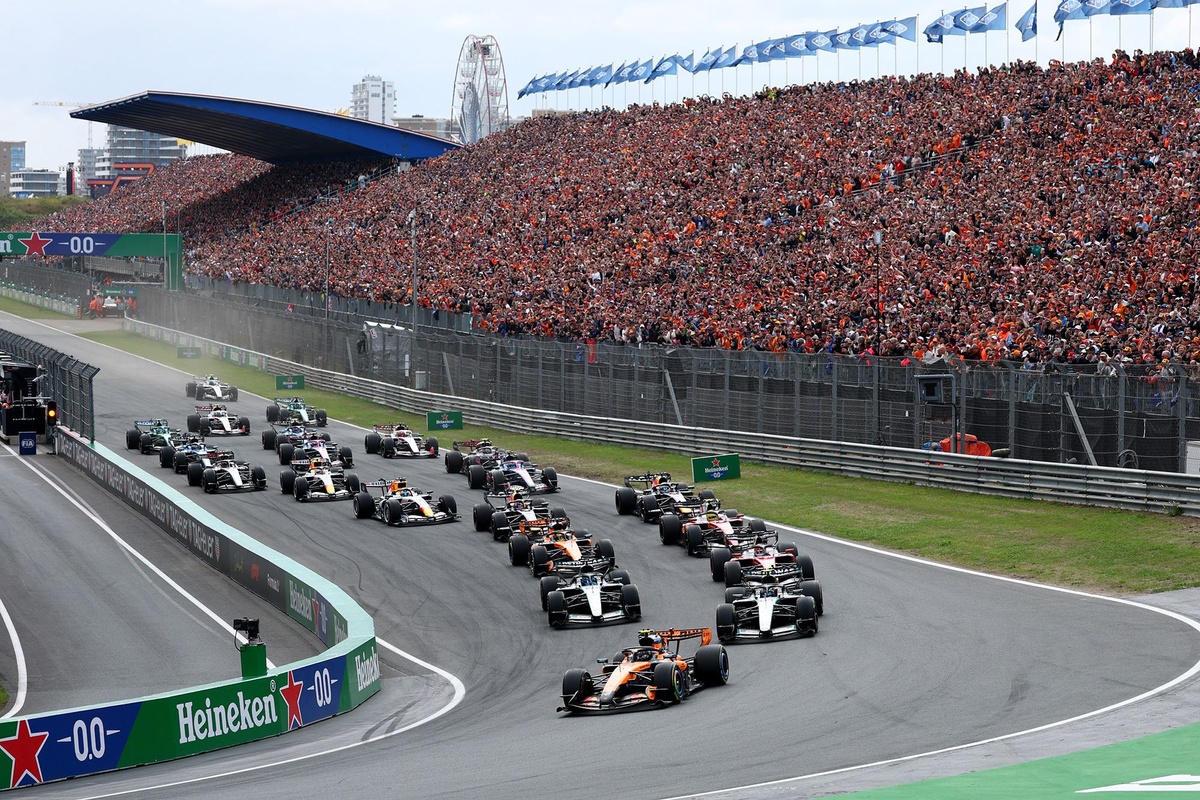
While Kimi Antonelli clinched the sprint victory, Hamilton secured a respectable second. Yet, come Sunday's main event, the magic seemed to vanish for the seven-time champion. Meanwhile, his teammate Charles Leclerc executed a brilliant opening stint, seizing the lead from Antonelli on Lap 1 and building a commanding 10-second buffer over Hamilton.
The Setup Swap That Cost Hamilton Dearly
The stark performance difference between the Ferrari drivers stemmed from differing pre-race setup philosophies. Leclerc opted to increase front-end load, adding wing for better turn-in. In contrast, Hamilton, attempting to stabilize the rear, reduced front wing load, a decision he later regretted.
"The magic I had on Friday simply vanished over the course of the weekend," Hamilton lamented. "I felt the car was very oversteery with the differential settings we had, so I took wing off and, as a result, at the start of the race, I had huge understeer. I was completely missing the front end. We went too low on the front wing and that is my responsibility and that of the engineering team."
Understeer Hell: Navigating Silverstone's Demands
The consequences of Hamilton's setup choice were immediate and severe. Throughout the critical first stint, his Ferrari struggled to turn in, not just in the slow corners like Village and The Loop, but also through high-speed sweeps such as Stowe and Copse. This lack of front-end grip had a devastating domino effect.
Losing speed through Copse meant a compromised entry into the subsequent Maggots, Becketts, and Chapel sequence. This sustained understeer didn't just hurt lap times; it created immense stress on the front tyres, pushing them towards premature graining – a situation no driver wants.
Pirelli's Data Echoes Driver Frustration
This on-track experience was backed up by data from Pirelli, F1's official tyre supplier. After analyzing long-run data from Friday practice and the Saturday sprint, Pirelli's motorsport chief Dario Maraffuschi confirmed the detrimental impact of understeer.
"What we saw is that understeer actually stresses the front end too much," Maraffuschi explained. "It does not generate temperature, but makes you more prone to increasing wear. So, from the tyre point of view, I believe it is not worth putting the car on a set-up tending toward understeer."
A Race Against Himself: Hamilton's Valiant Recovery Attempt
Despite the early struggles, Hamilton demonstrated his championship mettle, working tirelessly with his engineers to mitigate the understeer. Through adjustments to the differential and engine braking, and modifying his cornering approach, he gradually brought his lap times closer to Leclerc's pace.
However, the damage was already done. "I couldn’t even get the car to turn until halfway through the first stint when I managed to make it turn a little better with some changes to the diff," Hamilton reflected. "But by then the gap was already huge. Then the five seconds at the pitstop and from there, it was just one problem after another."
Ultimately, Lewis Hamilton finished a hard-fought third, a testament to his resilience, but also a stark reminder of how a single pre-race decision can reshape a Grand Prix. For Ferrari, the British GP delivered both elation and a valuable lesson in setup sensitivity.