

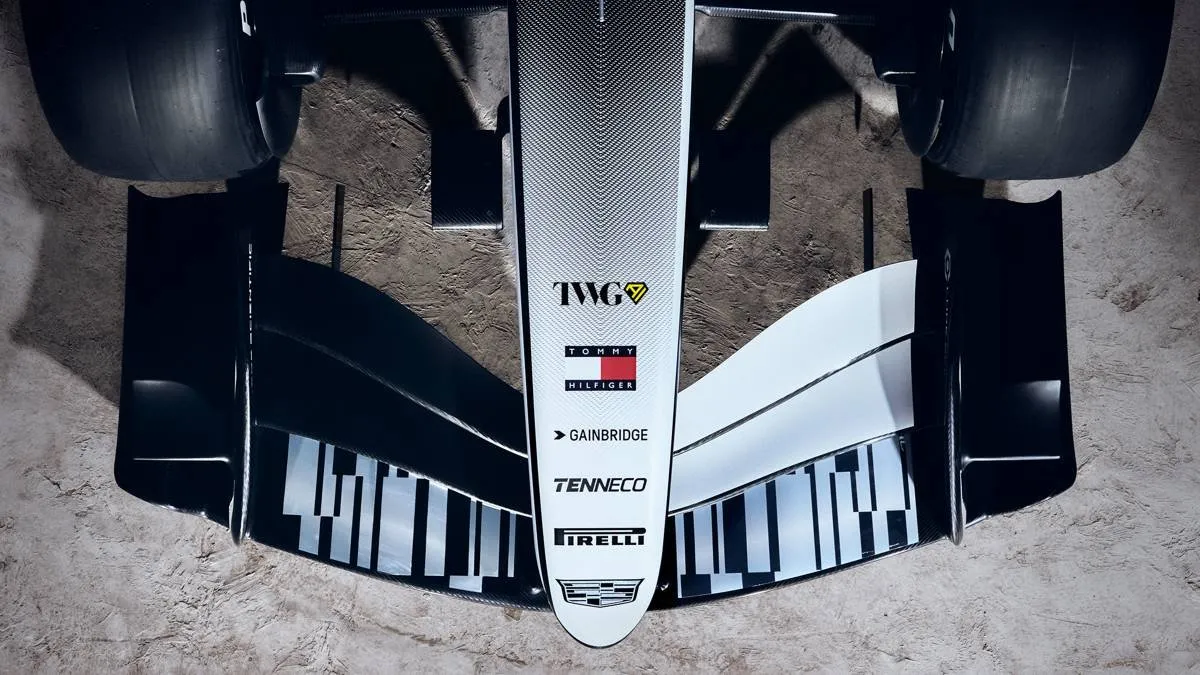

Building a Formula 1 team from scratch is one of the toughest challenges in motorsport, especially under the all-new 2026 regulations. Yet Cadillac’s rapid progress toward joining the grid has surprised many across the paddock, with General Motors playing a crucial role behind the scenes.
Rather than starting completely from zero, Cadillac has been able to tap into GM’s extensive motorsport network, which already supports programmes in NASCAR, IndyCar, and endurance racing. That access has allowed the future Formula 1 team to accelerate development in ways most new entrants could only dream of.
A major part of that advantage comes from GM’s Charlotte Technical Center in North Carolina. The facility houses advanced driver-in-the-loop simulators, aerodynamic testing systems, and performance modelling technology that Cadillac has relied on heavily while building its first F1 operation.
Because Cadillac is still constructing its permanent Formula 1 headquarters in Fishers, Indiana, the GM facility became an essential shortcut during the early stages of development. According to project leaders, using existing infrastructure saved years of preparation time.

Source: Motorsports Week
Veteran Formula 1 engineer Pat Symonds, who joined the project as a senior engineering consultant, admitted the team would have struggled significantly without GM’s support systems. He explained that the simulators were not only used for car development but also for race weekend rehearsals and operational training.
Cadillac’s preparation programme reportedly simulated full grand prix weekends as though the team were already competing on the Formula 1 grid. Experienced drivers including Simon Pagenaud, Pietro Fittipaldi, and Charlie Eastwood contributed simulator work to help refine the team’s procedures and engineering models.
GM executives also believe knowledge from other racing categories has helped strengthen the project. Advanced tyre modelling from NASCAR and engineering experience from endurance racing have reportedly provided valuable data and technical ideas that can be adapted for Formula 1.
At the same time, GM sees Formula 1 as an opportunity to improve its own engineering capabilities. Company executives highlighted the amount of real-time data and advanced vehicle analysis available in F1, which could eventually influence future production and performance vehicles.
The long-term vision extends beyond simply joining the grid. Cadillac initially plans to use Ferrari power units before introducing a full GM-developed engine programme later in the decade. GM has already established a dedicated engine company and continues developing its own hybrid powertrain technology for future competition.
Although expectations for the team’s first seasons remain realistic, Cadillac’s level of preparation has already drawn attention throughout Formula 1. With a growing workforce, expanding facilities, and major manufacturer backing, the American project is quickly evolving from ambitious newcomer into one of the sport’s most closely watched future teams.