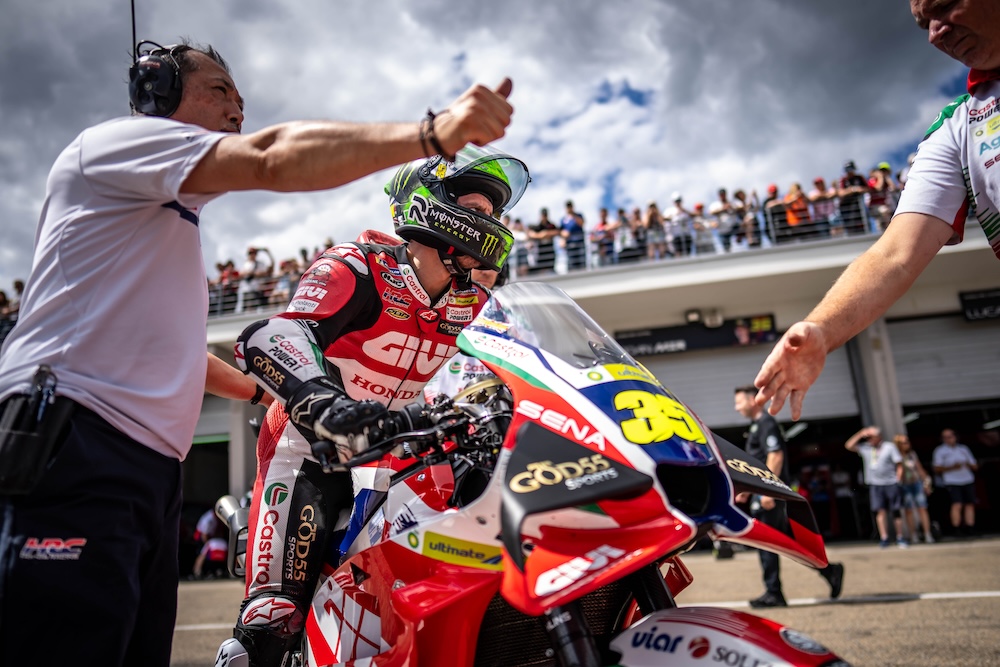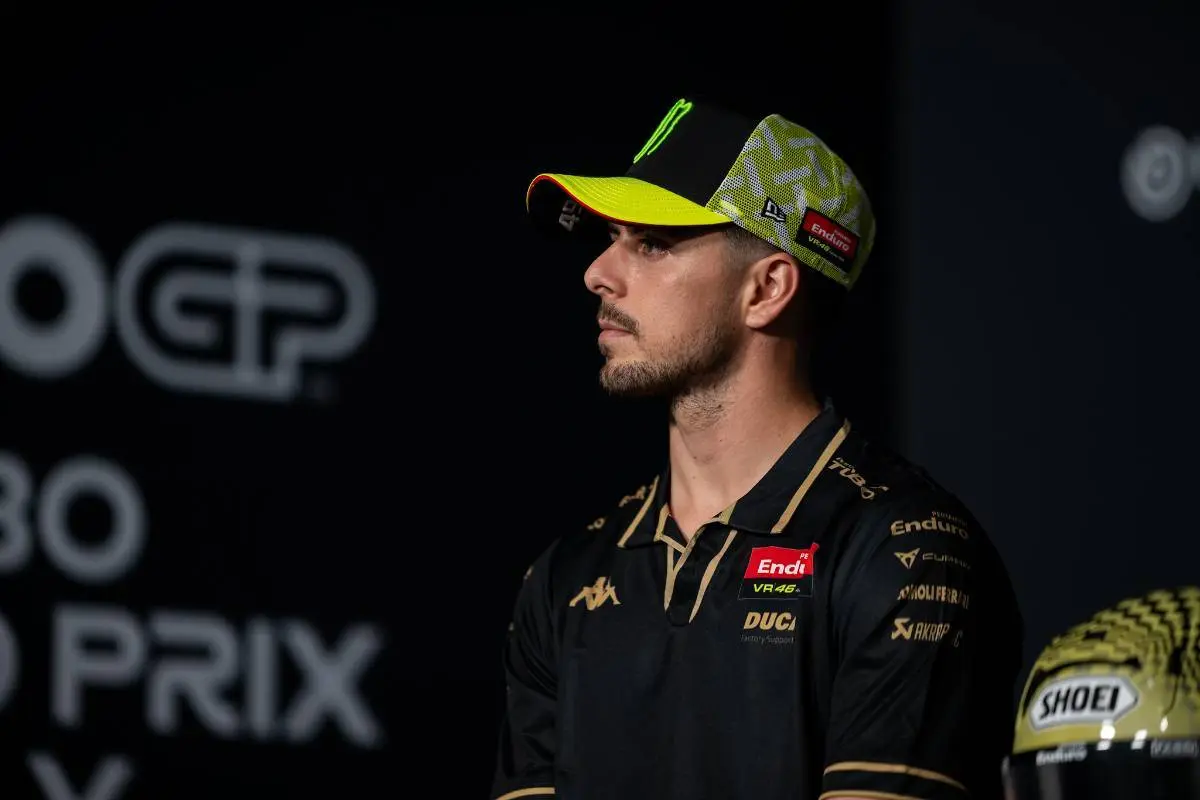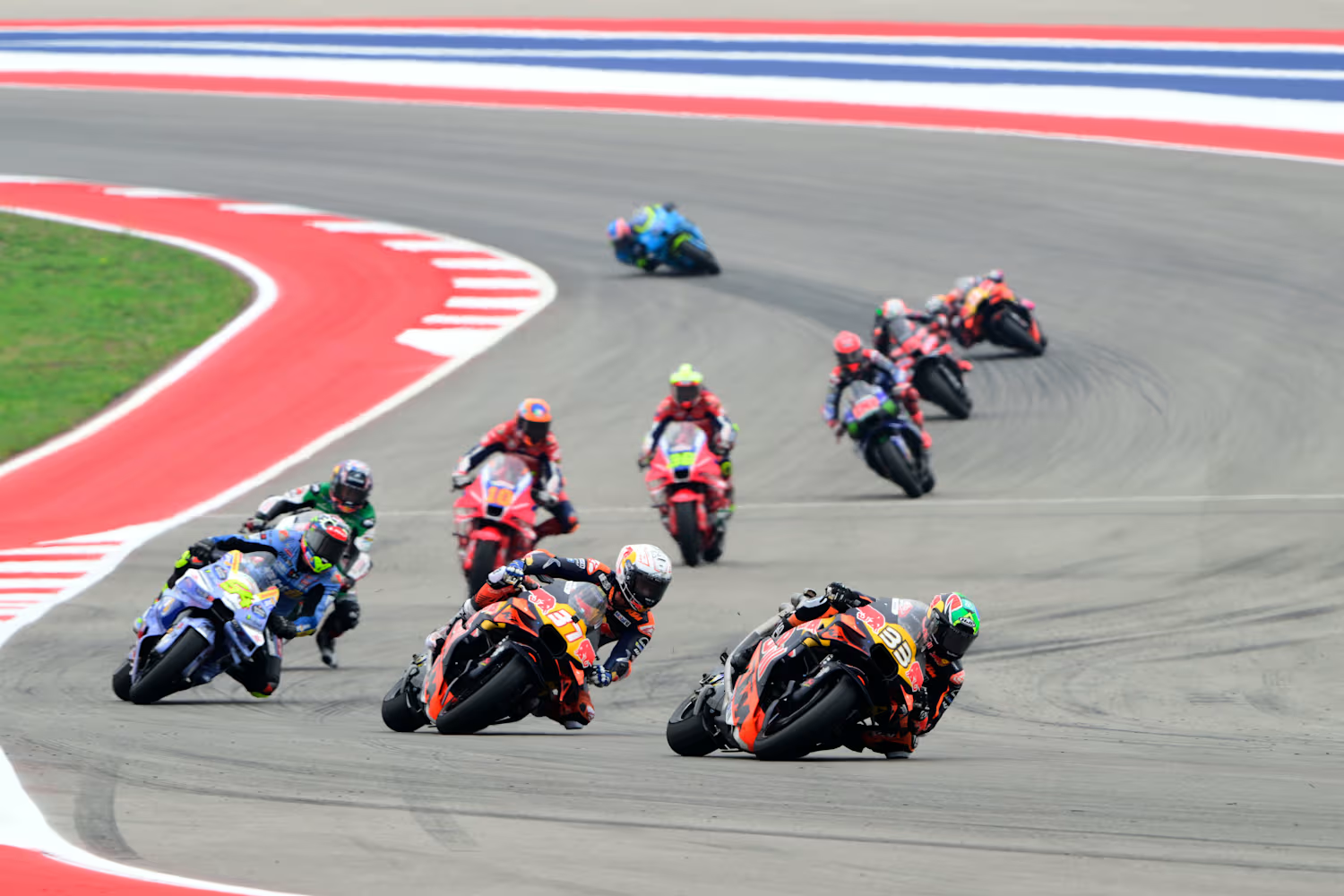

In MotoGP, the battle for performance is not decided by riders alone. Behind every lap is a complex relationship between rider feedback, engineering decisions and data analysis.
While riders are often credited with developing the bikes they race, the reality is more complicated. They do not design chassis, engines or aerodynamics. Instead, their biggest contribution is telling engineers exactly what the bike is doing and what needs to improve. That feedback can sometimes determine whether a machine takes another step forward or falls behind its rivals.
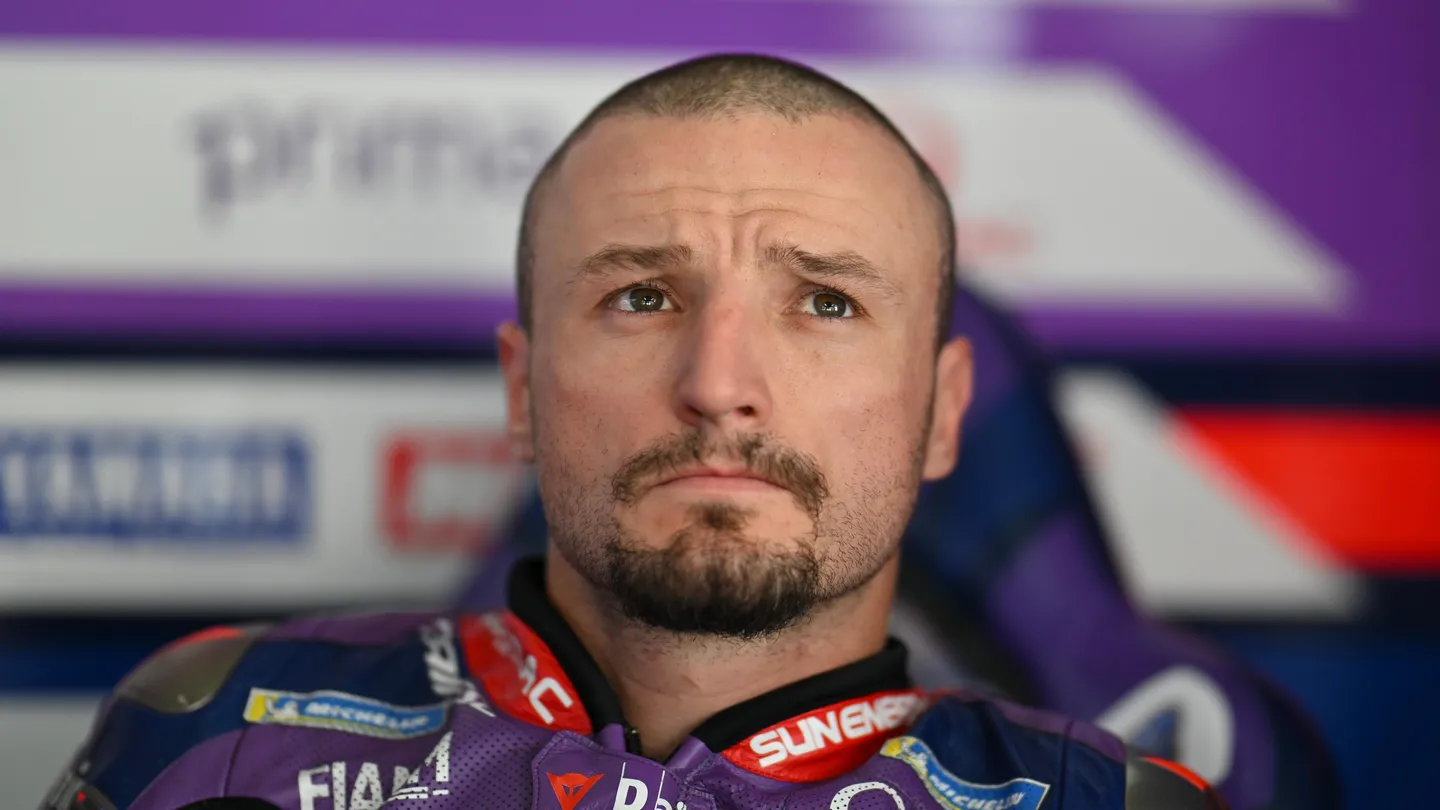
Joan Mir, who won the MotoGP world championship with Suzuki before moving to Honda's factory team, believes riders have an important but clearly defined role in development.
"We can explain what we feel on the bike, but we're not engineers," Mir said.
Rather than telling engineers exactly which component needs to be changed, riders are expected to describe the behaviour they want from the bike. Instead of asking for a shorter swingarm or a different chassis, for example, a rider may explain that they want the bike to rotate better through a corner or need more confidence from the front end.
That distinction is crucial. Riders provide the sensations and performance targets, while engineers use data, simulations and technical knowledge to determine how to achieve them.
Valentino Rossi's move from Honda to Yamaha in 2004 is often used as one of the strongest examples of a rider transforming a motorcycle. Rossi joined Yamaha after the manufacturer endured a difficult 2003 season and immediately went on to win the championship with the M1. His success helped create the perception that his arrival alone had turned an uncompetitive bike into a title-winning machine.
However, Nicolas Goyon, Tech3's team manager and a former data analyst, offers a more nuanced explanation.
Goyon recalled Yamaha's struggles in 2003 but argued that Rossi did not simply arrive and transform a fundamentally poor motorcycle overnight. Instead, the M1 already had a solid technical foundation, allowing Rossi to exploit its potential through his exceptional speed, setup ability and understanding of the available components.
In other words, Rossi's influence was not necessarily about completely redesigning the motorcycle. His strength was understanding what he had, identifying its potential and helping the team make the most of it.

Source: KTM
Dani Pedrosa provides another interesting example of how rider feedback can influence long-term development. During Honda's dominant period, Pedrosa was widely regarded as one of the most technically sensitive riders on the grid. Goyon believes his feedback played an important role in helping Honda develop the RC213V into a highly competitive machine.
Marc Marquez was then able to extract extraordinary performance from the motorcycle, particularly when it came to pushing beyond its limitations. However, Honda's struggles after Pedrosa retired offered an interesting contrast.
As the RC213V became increasingly difficult to ride, even Marquez found it harder to overcome the bike's weaknesses through sheer talent. His ability to adapt and ride around problems remained exceptional, but the situation also highlighted how valuable precise development feedback can be.
It suggests that being a great racer and being a great development rider are not necessarily the same thing.
Among the riders who made a particularly strong impression on Goyon, Andrea Dovizioso stands out. During his time at Tech3, Dovizioso was known for providing detailed and highly precise feedback. According to Goyon, that ability helped give Ducati the direction it needed as the manufacturer developed into one of MotoGP's leading forces.
Dovizioso's influence, however, should not be viewed in isolation. As Goyon pointed out, the engineers remain essential to the process. A rider can identify what the motorcycle is doing, but it takes an entire technical team to turn that information into a new component, setup or design philosophy.
The rider may point the team in the right direction, but the engineers are the ones who have to build the solution.
This relationship could become even more important when MotoGP introduces its major technical changes in 2027. The new regulations will bring smaller 850cc engines, reduced aerodynamic performance and Pirelli tyres, creating a significantly different riding environment for the teams.

Source: MGP1
During such a major technical reset, rider feedback will become particularly valuable. Aprilia's head of vehicle dynamics, Marco De Luca, has highlighted the importance of detailed rider impressions during the development process.
Modern MotoGP teams have access to sophisticated simulations, wind tunnels and enormous amounts of data, but those tools cannot fully replicate what a rider experiences at the limit. An aerodynamic package may perform well in testing, for example, but if a rider finds the motorcycle difficult to control when pushing at race pace, that feedback can expose a problem that the numbers alone cannot explain.
Data can show engineers what the bike is doing. The rider can explain how it feels and whether that behaviour can actually be controlled at the limit.
Ultimately, MotoGP bike development is not a battle between riders and engineers. It is a partnership. Engineers create the technology, analyse the data and determine how the motorcycle can be improved, while riders provide the most important real-world test by pushing those solutions to the limit.
That is why the idea that a rider single-handedly "develops" a MotoGP bike is misleading. The most influential riders are not necessarily those who tell engineers exactly what to build, but those who can clearly explain what the motorcycle is doing and what they need from it.
From Rossi's ability to exploit Yamaha's potential to Pedrosa's technical sensitivity and Dovizioso's detailed feedback, history shows that rider input can have a major impact on a manufacturer's direction.
As MotoGP heads towards another major technical reset in 2027, that relationship could prove more important than ever. The engineers may draw the blueprints, but the rider is still the one who ultimately decides whether the machine works when it matters most.