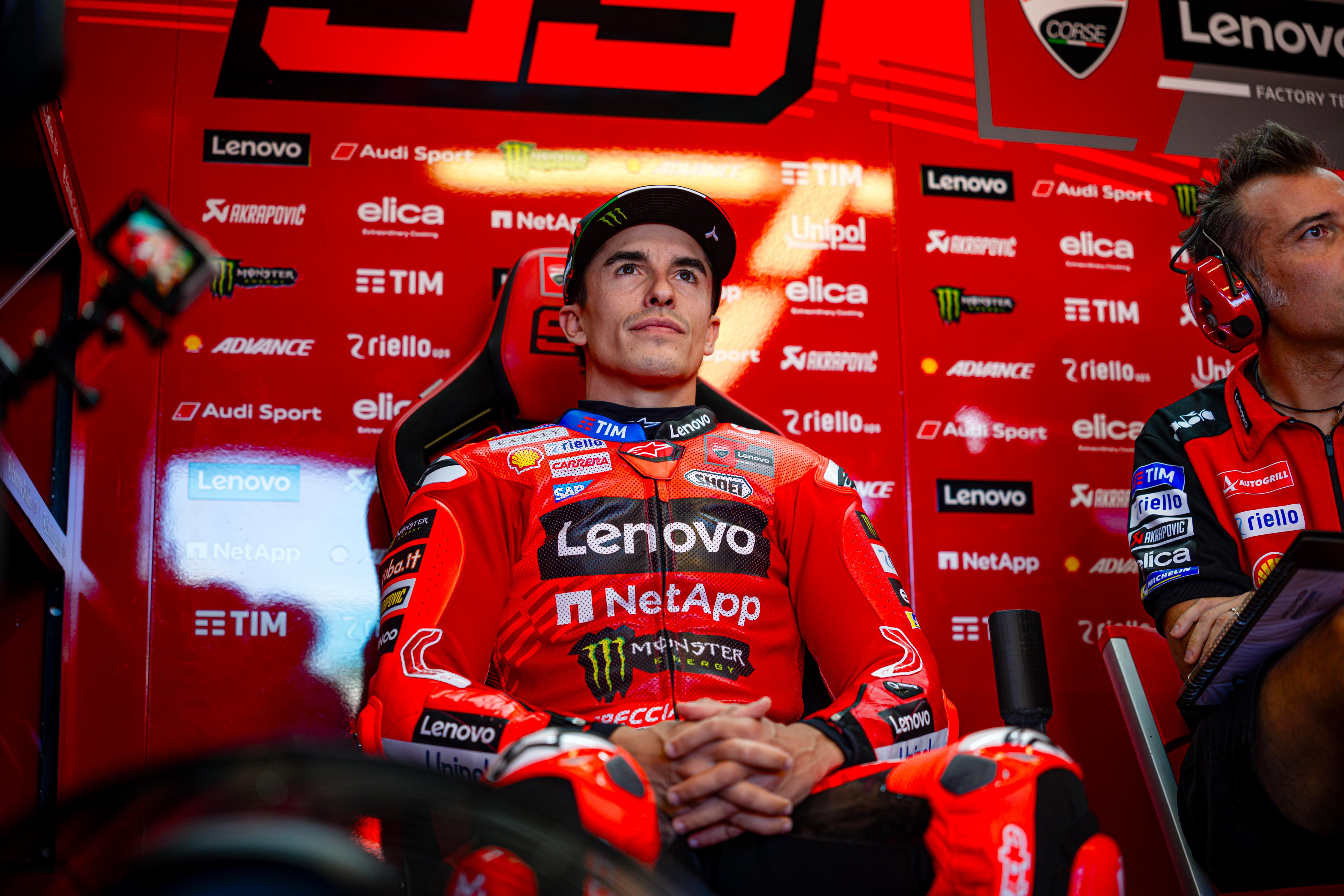

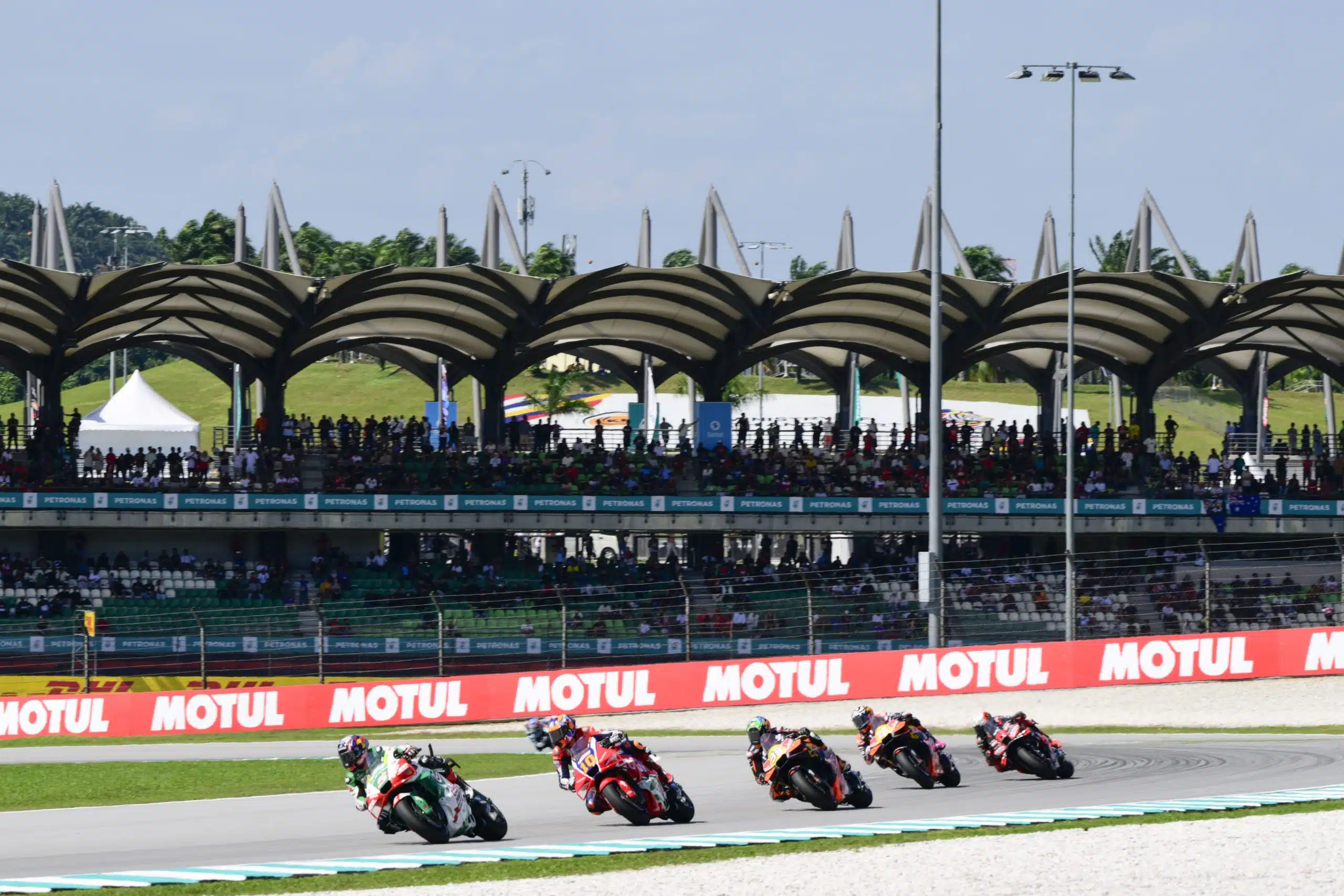

MotoGP could be on the verge of one of its most significant rule changes in years, with manufacturers pushing for a proposal that would limit riders to just one bike during practice sessions from the 2027 season onward.
The plan, which is reportedly gaining support within the Motorcycle Sports Manufacturers Association (MSMA), has sparked intense debate throughout the paddock due to its potential impact on competition, technical development and commercial interests. While the proposal still requires approval from the Grand Prix Commission, many teams now believe its introduction is increasingly likely.
Under the current format, each rider has access to two motorcycles throughout a race weekend. The proposed regulation would remove one of those machines during practice sessions, leaving riders with a single bike for testing and setup work. Two bikes would still be available on race day.
Manufacturers argue that the change is necessary to reduce costs ahead of MotoGP's major technical reset in 2027, when new regulations will introduce 850cc machinery. Industry estimates suggest teams could save around €1.5 million through reduced staffing requirements and lower mileage on development bikes. Discussions have also included shortening practice sessions to further reduce operational expenses.
However, many within the paddock fear the consequences could outweigh the financial benefits.
One of the biggest concerns centres on motorcycle development. Engineers currently rely on having two bikes available so riders can directly compare different setups, aerodynamic packages and new components during the same session. With only one machine available, evaluating upgrades could become significantly slower at a time when manufacturers are preparing for an entirely new generation of bikes.
The proposal could also change how riders approach race weekends. Crashes during practice or qualifying would carry much greater consequences, potentially leaving riders sidelined until the next session while repairs are completed. Critics argue this may encourage a more cautious approach on track, reducing the aggressive riding style that has become a hallmark of modern MotoGP.
Commercial implications are another major concern. Since Liberty Media acquired MotoGP, the championship has focused heavily on expanding its global audience and increasing the entertainment value of race weekends. Reducing the number of bikes on track and limiting riders' ability to quickly return after incidents could result in less exposure for sponsors and fewer opportunities for fans to see their favourite riders in action.
What began as a cost-saving measure has now evolved into one of the most controversial topics in the paddock. With further discussions scheduled and approval appearing increasingly likely, MotoGP may soon face a decision that could reshape the way teams operate, riders compete and fans experience the sport.
As the championship prepares for its new era in 2027, the debate is no longer just about saving money. It is about preserving the balance between efficiency, competition and entertainment that has helped MotoGP become one of the world's premier motorsport championships.