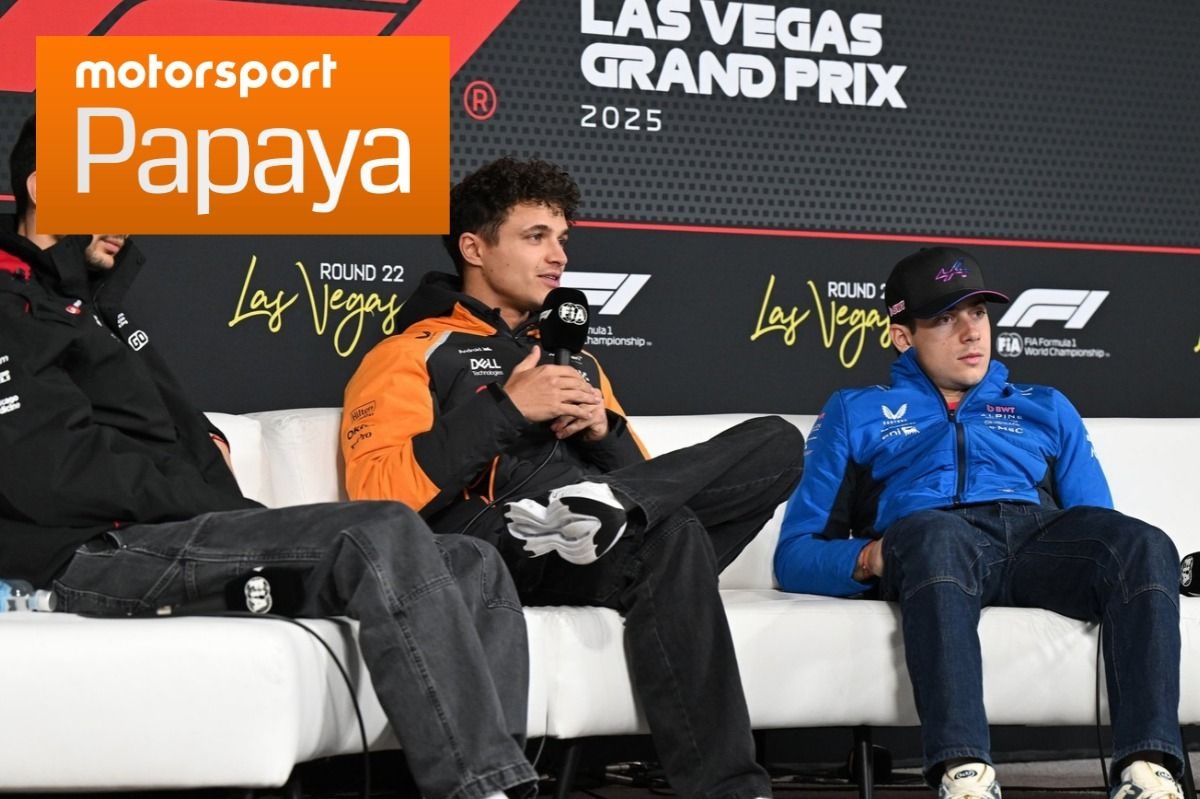
The high-octane world of Formula 1 often sees emotions run wild, but McLaren star Lando Norris is now reflecting on how a heated post-race rant at the Azerbaijan Grand Prix spiraled into a complex situation, forcing a public apology and reigniting the critical debate around online toxicity.
Key Takeaways from the Colapinto Incident
- Lando Norris initially demanded a race ban for Franco Colapinto after an Azerbaijan Grand Prix pile-up.
- His comments triggered a torrent of online abuse aimed at Norris from parts of Colapinto's fanbase.
- Norris privately apologized to Colapinto, who also apologized for the on-track incident.
- The McLaren driver issued a public statement to temper the wider online backlash and address hateful rhetoric.
- Norris calls for social media platforms and sports bodies to combat the growing issue of online abuse more effectively.
Post-Race Fury Ignites Online Firestorm
Following the chaotic Azerbaijan Grand Prix, Lando Norris didn't hold back, publicly criticizing Franco Colapinto for his role in a major pile-up. Norris went as far as to demand a race ban for the Argentinian driver, a sentiment that quickly resonated – and then backfired – across social media.
His passionate, albeit harsh, remarks sparked an immediate and aggressive online backlash. Norris found himself on the receiving end of a torrent of abuse, highlighting the often-toxic underbelly of fan engagement in modern sports.
Mending Fences: The Private & Public Apologies
Realizing he'd crossed a line, Norris swiftly reached out to Colapinto directly. The McLaren driver explained that their private conversation was brief but meaningful, with both drivers acknowledging their respective parts in the contentious situation.
"I apologised to him for some of the things I said that were wrong, and he apologised to me for the incident, which is good," Norris stated. This direct communication underscored the mutual respect between the competitors. However, the online vitriol persisted, prompting Norris to make a public statement.
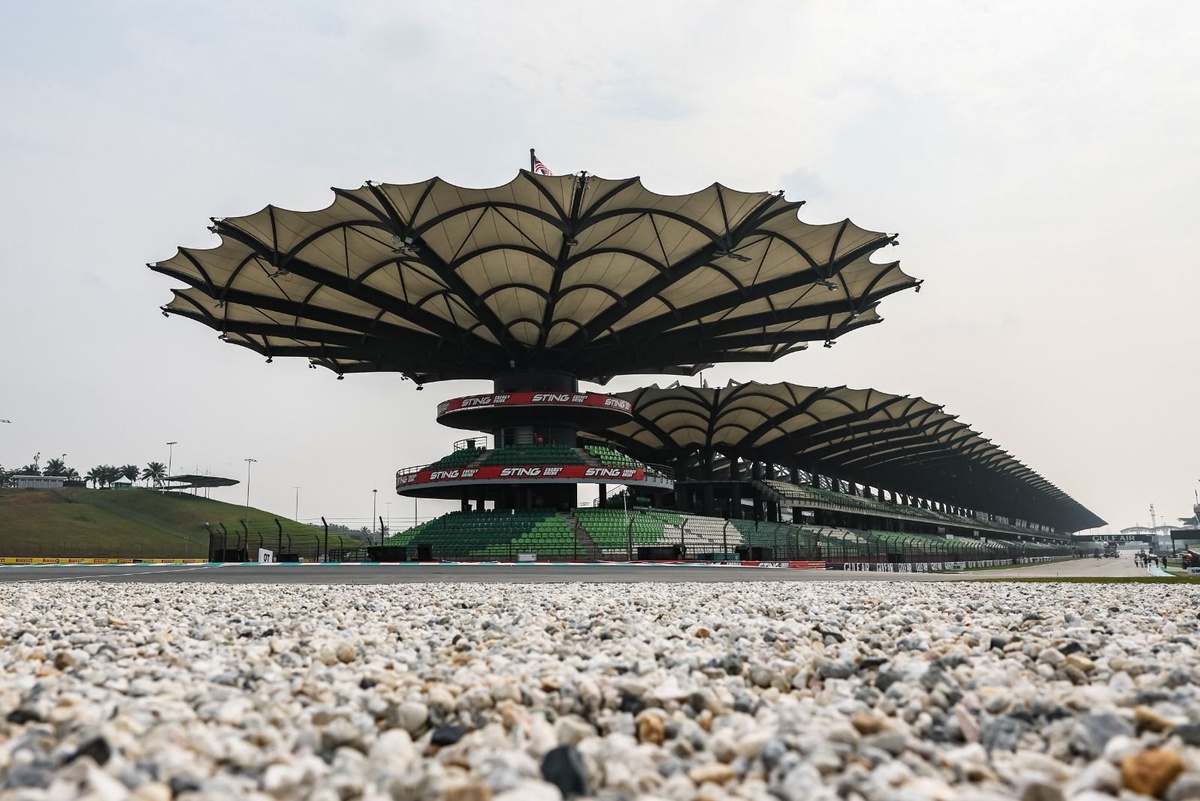
"It was more for the wider audience," Norris elaborated from Malaysia. He emphasized that Colapinto was the only one truly owed an apology, but the public declaration was a necessary step to calm the digital storm and address the broader issue of online abuse.
Navigating the Digital Minefield: Norris Calls for Change
While accepting responsibility for his initial comments, Norris expressed profound regret over how his words were weaponized, leading to abusive behavior online. He passionately advocated for greater accountability from social media platforms.
"Some of it's down to just passion and that's what you always have in sports... But obviously, to the extent of online abuse, death threats, all of those things are way too far beyond being a fan," he asserted. He argues that the ease of sharing opinions online has blurred the lines between fandom and harassment, making it crucial for platforms and sports organizations to intervene.
Norris, who has significantly scaled back his own social media presence, firmly believes that more needs to be done to protect athletes from the damaging effects of online toxicity. He highlighted that not all individuals can cope with such pressures equally.
Staying True: Norris's Stance on Speaking Out
Despite the controversy and personal reflection, Norris affirmed his commitment to speaking his mind, although with a learned caution. He acknowledged that some of his initial remarks were indeed regrettable.
"I should never have said some of the stuff that I said, so I get why some people might have been upset," Norris conceded. Yet, he remains resolute in his belief that authenticity is vital, even if it means not pleasing everyone. "I know I'm not able to please everyone and you're never going to have everyone on your side, so I think that's normal and that's life."
This incident serves as a stark reminder of the intense scrutiny and emotional demands placed upon F1 drivers, both on and off the track.