
MotoGP's switch to Pirelli in 2027 will bring more than a new tyre supplier. It has also offered a rare insight into the financial structure behind one of the sport's most closely guarded commercial agreements.
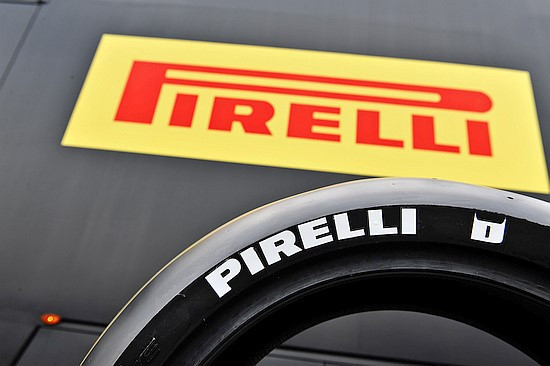
Pirelli will become the exclusive tyre supplier for MotoGP, Moto2 and Moto3 from the 2027 season, replacing Michelin, which has supplied the premier class since 2016. The change will coincide with the introduction of MotoGP's new 850cc regulations.
While tyre supply agreements are often kept confidential, Pirelli's motorcycle racing director Giorgio Barbier has explained how the commercial model works.
According to Barbier, tyre manufacturers typically pay the championship promoter for the right to become the exclusive supplier. However, the arrangement is more complex than a straightforward sponsorship deal.
He explained that although a manufacturer may pay an annual fee to secure the contract, it also invoices the promoter for the costs of producing, transporting and servicing the tyres throughout the season. Those expenses include manufacturing, logistics, trackside operations and technical support across the championship's global calendar.
Barbier noted that the overall cost of supplying tyres can run into tens of millions of euros each year.
One lesser-known aspect of MotoGP is that teams do not pay directly for their tyres.
Unlike teams in Moto2, Moto3 and the Superbike World Championship, MotoGP outfits receive their tyre allocation through the championship. This ensures equal access to the same compounds and prevents teams from gaining an advantage through independent tyre purchasing or private development.
Under the regulations, Pirelli will also be prohibited from selling MotoGP-specification tyres commercially. Teams will instead receive a fixed allocation of tyres for official testing, with the number depending on each manufacturer's concession status.
Barbier also offered some insight into the production cost of MotoGP tyres.
He revealed that Pirelli's MotoGP prototypes will be produced at the same factory in Breuberg, Germany, and on the same production lines as its high-performance consumer racing tyres.
While MotoGP tyres use different materials and specifications, Barbier suggested the manufacturing cost is not dramatically different from the company's Diablo Superbike racing tyres, which retail for around €300 (approximately RM1,500) each.
Although that figure does not account for research and development, logistics or trackside support, it provides one of the clearest indications yet of the cost involved in producing a single MotoGP race tyre.
With Pirelli set to oversee tyre supply across all three Grand Prix classes from 2027, the new partnership marks the beginning of a fresh technical era while offering a rare glimpse into the economics that underpin MotoGP's competition.
%20(1).png)