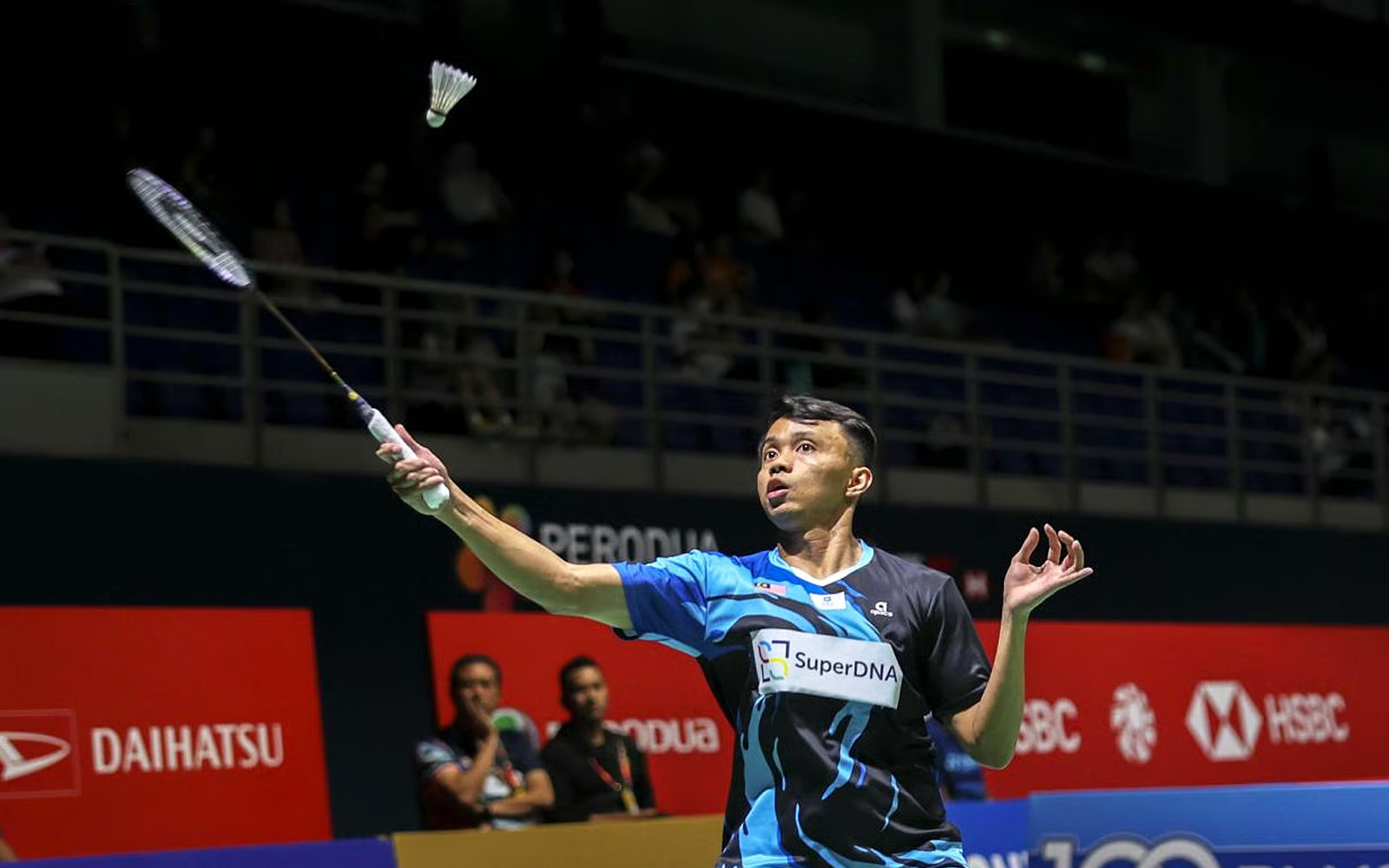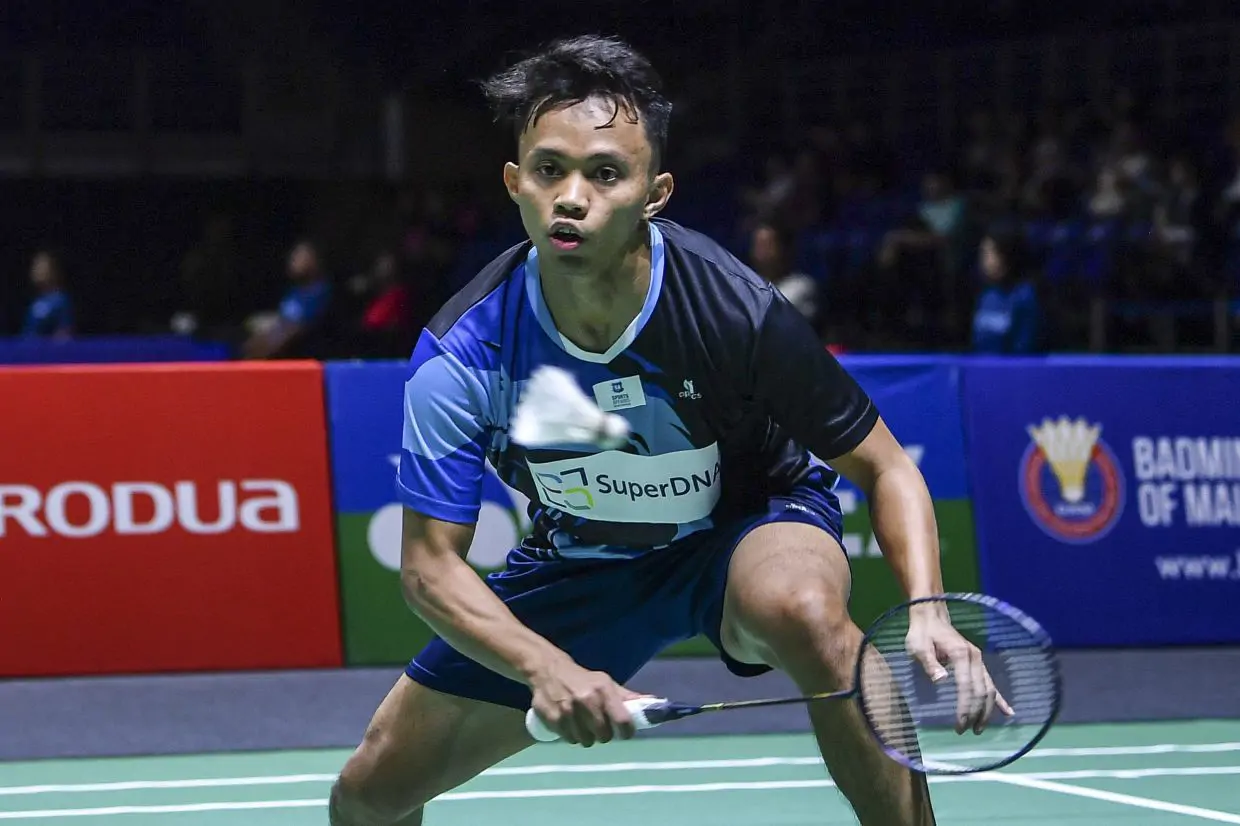



The call from Malaysian badminton legend Datuk Razif Sidek is clear and resounding: BAM must stop hedging its bets and boldly declare gold as the primary objective for the upcoming Asian Games.
Razif voiced his astonishment at BAM's public stance, which aims for just one silver and one bronze, while privately instructing players to chase gold. This puzzling approach has sparked debate among fans and former greats alike.
Key Points from Razif Sidek
- BAM's public Asian Games target is silver and bronze, despite private gold ambitions.
- Datuk Razif Sidek insists Malaysia should openly target gold, not shy away.
- Men's doubles pair Aaron Chia-Tee Kai Wun are touted as potential gold medalists.
- The strategy echoes the surprise success of Koo Kien Keat and Tan Boon Heong in 2006.
BAM's Double Standard: Public Silver, Private Gold
It's a perplexing strategy. On one hand, BAM publicly downplays expectations, setting a modest target of one silver and one bronze for the prestigious Asian Games. Yet, behind closed doors, the national badminton body reportedly pushes its shuttlers to aim for the ultimate prize: gold.
This two-faced approach has drawn sharp criticism from Datuk Razif Sidek, who openly questioned the association's lack of confidence. "Why are we not targeting gold? It is strange. We want gold, not silver," Razif declared, emphasizing that achieving gold should be the fundamental goal, with any actual win being a bonus.
The Weight of Expectation: Can a Scratch Pair Deliver?
Malaysia has endured a agonizing 20-year drought for badminton gold at the Asian Games. The weight of this history falls heavily on the shoulders of the current crop of players. Razif Sidek, however, sees a glimmer of hope in the men's doubles pairing of Aaron Chia and Tee Kai Wun.
This scratch combination, if their chemistry ignites and luck favors them, possesses the raw talent to stun the powerhouses from China, South Korea, and Indonesia. It will demand extraordinary performance and seamless teamwork to navigate the formidable challenges ahead.
Echoes of 2006: A Winning Formula?
The belief in Aaron-Kai Wun isn't without precedent. Their pairing conjures memories of Malaysia's last Asian Games badminton gold at the 2006 Doha edition. Back then, Koo Kien Keat and Tan Boon Heong were also a newly formed, unseeded combination who defied all odds to clinch a memorable triumph.
Can history repeat itself? Razif believes a touch of "magic" and a favorable draw could see Aaron-Kai Wun rise to the occasion. Alongside Goh Sze Fei and Nur Izzuddin Rumsani, they represent Malaysia's strongest prospects for ending the long wait.
Beyond the Bonus: Focus on Performance
Adding another layer to the discussion, BAM is reportedly considering monetary incentives to spur players towards gold. While such bonuses can motivate, Razif Sidek offered a stark reminder: rewards should never overshadow the core mission.
"Don't focus on the rewards. The important thing is to ensure your performance is at a high level," he urged. For Malaysia's shuttlers, the true prize lies not in the financial gain, but in the glory of bringing home gold and etching their names into the nation's sporting history. The focus must be on peak performance, fueled by national pride, not just potential payouts.