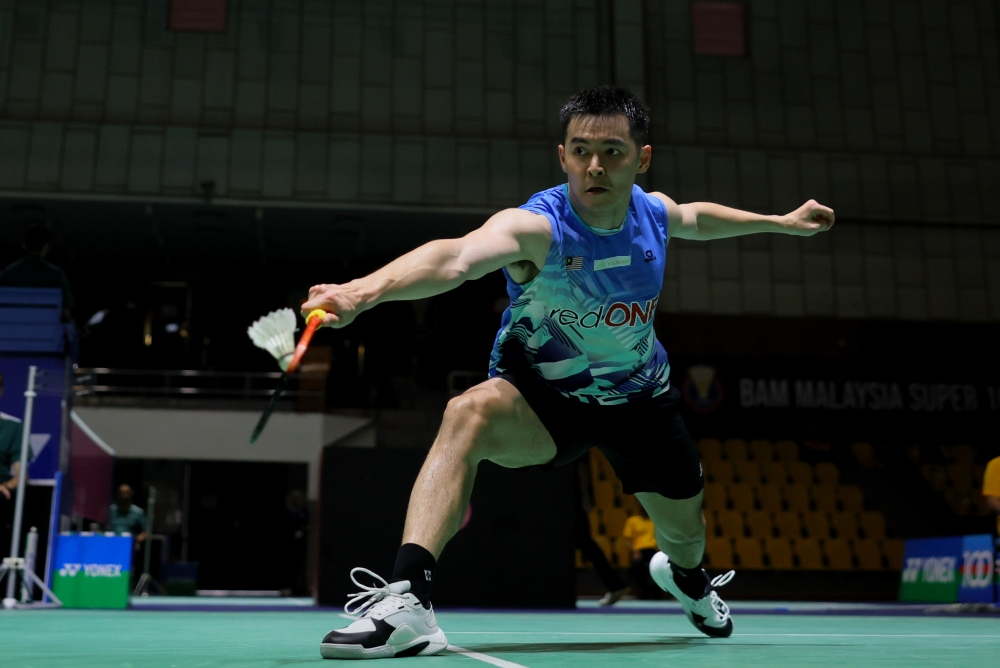



Tee Kai Wun and Man Wei Chong returned to the top of the podium at the French Open, ending a 17-month title drought and securing their first Super 750 crown together. However, the Malaysian men’s doubles pair now face another challenge as badminton prepares for a possible change to its scoring system.
The world No. 8 duo had not won a title since their Malaysia Masters triumph, making their victory in Paris a significant boost to their confidence. Their success also came amid national men’s doubles coach Herry Iman Pierngadi’s efforts to reshape Malaysia’s partnerships and improve results on the international circuit.
Yet the pair cannot afford to rest on their achievements, with the proposed 15-point scoring format expected to demand faster starts and greater consistency.
The new system would reduce the target from 21 points to 15 per game, potentially making matches shorter and increasing the importance of every rally. Under the proposed changes outlined in the report, the format would be tested at team competitions before being introduced to the World Tour, including the Malaysia Open.
Kai Wun believes the shorter games could suit his partnership with Wei Chong, but he also recognises a potential weakness.
“The 15-point format could be an advantage for us because the games will be faster. However, it could also work against us, as we tend to be slow starters,” he said.
The concern is understandable. With fewer points available, a poor start could leave a pair with less time to recover. Kai Wun and Wei Chong may therefore need to find their rhythm earlier and avoid giving their opponents an early lead.

Source: Facebook
Malaysian players are expected to gain further experience with the format at the Asian Mixed Team Championship in Qingdao, China, ahead of its planned introduction to individual World Tour events. Feedback from junior players who have already competed under the shorter format at the World Junior Championships in Cairo has also highlighted the challenge of adapting to the faster pace.
Herry has stressed that preparations must begin early, with the proposed changes potentially affecting player development, training methods and partnership selections. He is also looking for players whose style and temperament are suited to the demands of the shorter format.
“We have to start thinking about next year. We need to start preparing now,” Herry said.
The coach’s partnership reshuffles have already delivered encouraging results under the current 21-point system. Since the changes began in July, Malaysian men’s doubles players have collected three titles, including Kai Wun’s Korea Masters victory with Yap Roy King and Yap’s subsequent Arctic Open triumph with Aaron Tai.
Kai Wun and Wei Chong’s French Open success added another highlight to that run, showing that the revised partnerships can deliver results at major tournaments.
However, the proposed scoring change could create a different test altogether. For Malaysia’s men’s doubles players, the priority will be to build on their recent success while adjusting their tactics and mentality to a format that may leave far less room for slow starts and costly mistakes.