


It’s a dogfight in Texas!
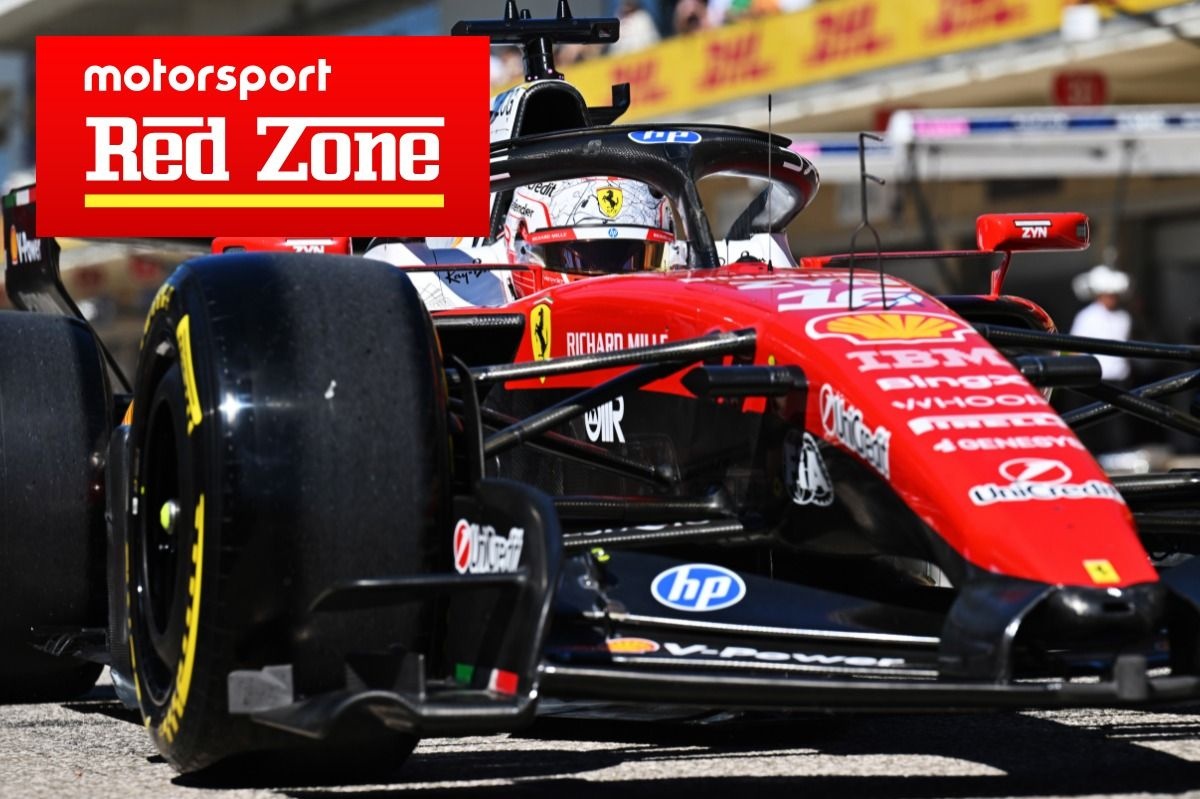
While Max Verstappen logged a "positive start" to the Formula 1 United States Grand Prix weekend, Red Bull Racing knows they've got work to do. Charles Leclerc and Ferrari emerged as the early pace-setters at the Circuit of the Americas, pushing the reigning champions to refine their RB22 for qualifying.
Key Takeaways from COTA Practice:
- Max Verstappen finished Friday's FP1 and FP2 in second and third, consistently within two-tenths of Charles Leclerc.
- Red Bull engineers are specifically targeting improvements in low-speed corner performance.
- The notoriously bumpy COTA track surface remains a significant challenge, impacting car balance.
- Ferrari showed strong form in slow sections, especially under braking and corner exit.
Verstappen's COTA Challenge: Taming the Bumps and Beating Ferrari
Friday at COTA wasn't a runaway for Red Bull, unlike some previous weekends. Verstappen found himself chasing fractions of a second behind Leclerc, signaling a genuine battle is brewing for the US Grand Prix. Despite the tight margins, the Dutchman expressed satisfaction. "It's been a positive start to the weekend," Verstappen stated, highlighting the constant struggle to find the right car balance between high-speed and low-speed corners on the demanding track.
The Low-Speed Puzzle: Red Bull's Primary Focus
Digging into the data, Red Bull's technical director, Pierre Wache, pinpointed the specific area for improvement: "It's clearly the low-speed performance that we are focused on at the moment. Low speed is the key for us." GPS telemetry reveals Ferrari's Leclerc is particularly potent in the slower sections, dominating under braking and on exit in key corners like Turn 1, Turn 11, and the complex Turns 12-16. While Verstappen gained on the straights, these crucial slow-speed losses are what Red Bull aims to reclaim.
Conquering COTA's Bumpy Ride
Beyond cornering dynamics, the other major headache for all teams, but particularly impactful on Red Bull's RB22, is COTA's infamously bumpy asphalt. Verstappen himself labeled the bumps "unacceptable" just a day prior. Wache confirmed the car "is jumping a lot," explaining that the current generation of F1 cars, despite theoretical improvements, struggle with bump compliance due to very low ride heights optimized for aerodynamics. This is especially true under braking and through corners – precisely where COTA throws its worst challenges.
The Road Ahead: How Red Bull Plans to Dominate
With qualifying looming, Red Bull's strategy is clear: improve the car's behavior over the jarring bumps and unlock more performance in the low-speed corners. If Verstappen and his team can find that elusive compromise, they stand a strong chance of converting their positive start into pole position and setting the stage for another dominant US Grand Prix performance. The hunt for tenths is on!